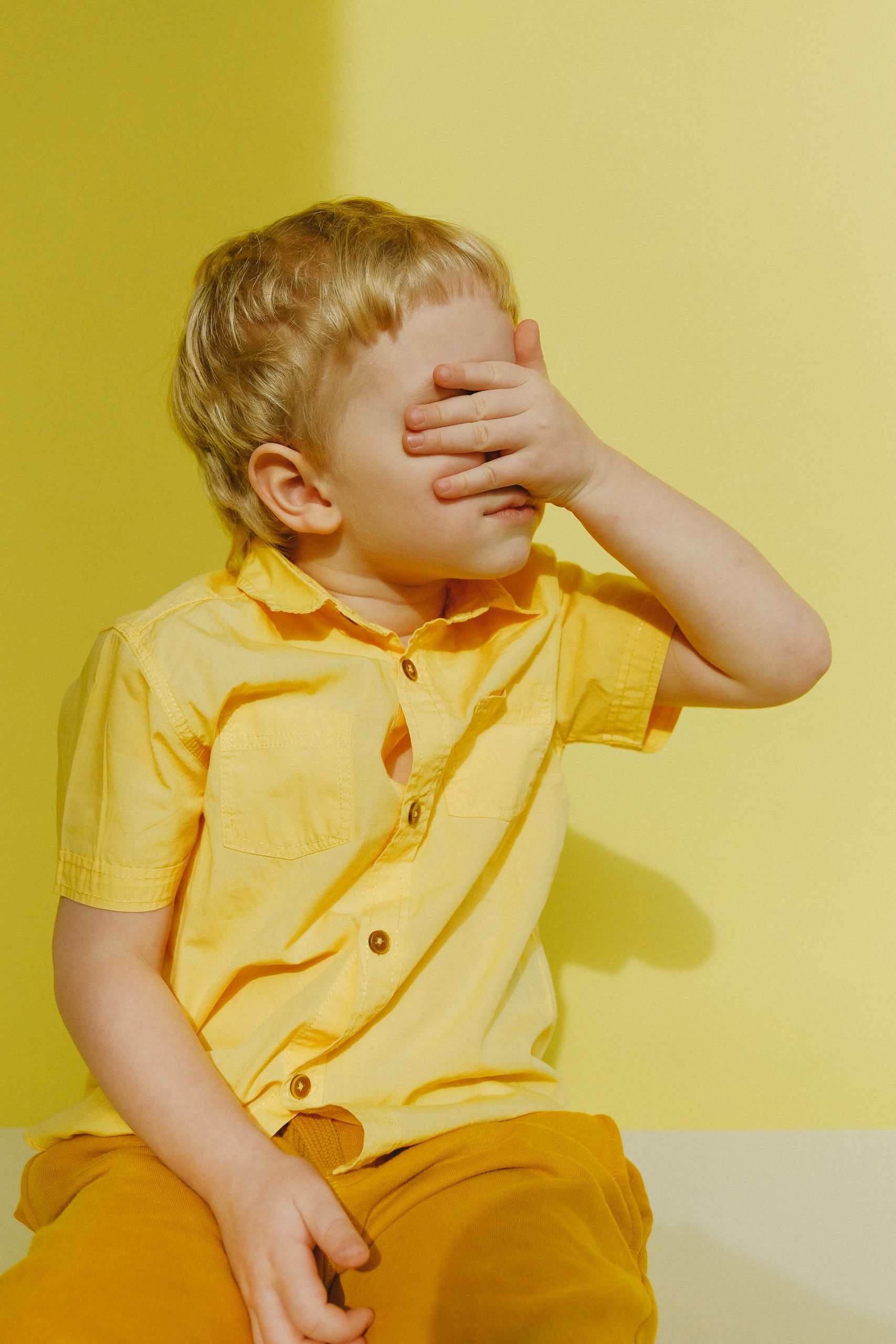
Why Children Lie: The Psychology Behind Childhood Dishonesty
Introduction
Few parenting experiences are as frustrating as catching your child in a lie. Whether they deny eating the last biscuit, blame a sibling for a broken toy, or insist they have finished their homework when they have not, dishonesty can leave parents feeling confused and concerned. Many wonder whether lying is a sign of poor character or the beginning of more serious behavioural problems. Fortunately, research in psychology tells a different story. Childhood lying is often a normal part of development rather than evidence that a child is destined to become dishonest. As children’s brains mature, they develop new thinking skills, greater imagination, and a growing understanding that other people have different thoughts and beliefs. These abilities make lying possible, but they also play an essential role in healthy cognitive and social development. Understanding why children lie can help parents respond in ways that support both their child’s mental health and emotional growth instead of relying solely on punishment.
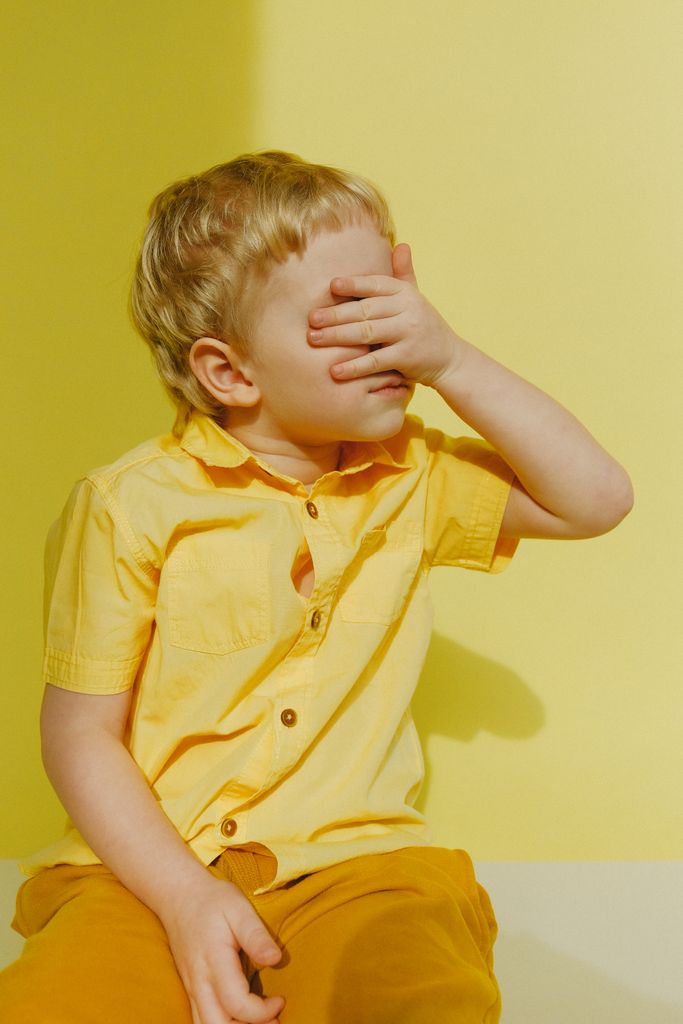
Understanding the Topic
Lying is the deliberate act of saying something that is not true with the intention of making another person believe it. However, not every false statement is a lie. Young children often confuse fantasy with reality, forget details, or genuinely misunderstand events. These are normal developmental experiences rather than intentional deception. Modern psychology shows that lying develops alongside important cognitive abilities, including executive functioning, language, self-control, and Theory of Mind—the understanding that other people have their own thoughts, beliefs, and perspectives. Ironically, the ability to tell a convincing lie often reflects increasing cognitive sophistication rather than poor moral development (Evans & Lee, 2016). The goal for parents is not simply to stop lying but to help children develop honesty, emotional safety, and accountability.
Why Do Children Lie?
Children lie for many different reasons, and the motivation often changes as they grow older.
1. To Avoid Punishment
The most common reason children lie is simple: they want to avoid getting into trouble. If a child fears being shouted at or punished harshly, lying can feel like the safest option. This is especially true when children believe mistakes are unacceptable or when consequences feel unpredictable. Responding calmly encourages honesty far more effectively than responding with anger.
2. To Protect Someone’s Feelings
As children develop empathy, they sometimes tell “white lies.” For example, they may say they enjoyed a meal they disliked because they do not want to upset a parent or grandparent. This reflects growing social awareness rather than malicious intent.
3. To Gain Approval
Some children exaggerate achievements or invent stories because they want attention, praise, or acceptance. A child who says they scored the winning goal or has many friends may actually be expressing a need to feel valued. Looking beneath the lie often reveals an unmet emotional need.
4. Because They Have a Strong Imagination
Young children naturally blur the line between imagination and reality. Pretending to have a pet dinosaur or insisting they saw a dragon is usually imaginative play rather than intentional dishonesty. Understanding developmental stages helps parents distinguish fantasy from lying.
5. To Maintain Independence
As children become older, they seek greater autonomy. They may hide information about friendships, schoolwork, or screen time because they want more control over their lives. Open communication and trust often reduce the need for secrecy.
How Lying Changes With Age
Toddlers (2–3 Years)
Toddlers are only beginning to understand truth and falsehood. Their language and memory are still developing, making genuine mistakes common. Most apparent lies at this age are not deliberate deception.
Preschool Children (3–5 Years)
During the preschool years, children begin experimenting with lying. This developmental milestone reflects improvements in imagination, language, and Theory of Mind. Although parents may worry, occasional lying during this stage is considered typical.
School-Age Children (6–11 Years)
Children become more skilled at understanding rules, fairness, and consequences. Their lies often become more deliberate and may involve hiding mistakes, avoiding punishment, or protecting friendships. Parents play an important role in helping children understand honesty while maintaining emotional safety.
Adolescents
Teenagers may lie to increase privacy, reduce conflict, or gain independence. While honesty remains important, excessive control can sometimes encourage greater secrecy. Respectful communication often strengthens trust during adolescence.
The Link Between Lying and Mental Health
Most childhood lying is entirely normal. However, frequent or persistent dishonesty may sometimes be linked to underlying emotional difficulties. For example, children experiencing anxiety may lie because they fear disappointing others. Children with low self-esteem may exaggerate achievements to gain acceptance. Those exposed to harsh criticism may hide mistakes to avoid rejection. Children who have experienced trauma may also lie as a survival strategy. If honesty has previously resulted in punishment, humiliation, or conflict, deception can become a protective behaviour rather than an attempt to manipulate. Understanding the emotional function of lying helps parents respond with curiosity rather than immediate judgement.
When Should Parents Be Concerned?
Occasional lying is expected. Parents may wish to seek professional advice if dishonesty is:
- Persistent across many settings.
- Accompanied by aggression, lack of empathy, or rule-breaking.
- Used to deliberately harm other people.
- Associated with significant anxiety, trauma, or emotional distress.
- Affecting friendships, family relationships, or school functioning.
Assessment by a mental health professional can help determine whether additional support is needed.
How Parents Can Encourage Honesty
1. Stay Calm
Children are far more likely to admit mistakes when they know they will be listened to calmly. Strong emotional reactions often increase future dishonesty.
2. Praise Truthfulness
Notice honesty whenever it occurs. Saying, “Thank you for telling me the truth, even though it was difficult,” reinforces honesty more effectively than punishment alone.
3. Focus on Problem Solving
Instead of asking, “Why did you lie?” try asking, “What made it difficult to tell me the truth?” This shifts the conversation from blame to understanding.
4. Model Honesty
Children learn more from what parents do than what they say. Admitting your own mistakes teaches accountability and builds trust.
5. Create Emotional Safety
Children are more honest when they believe mistakes are opportunities to learn rather than reasons to feel ashamed. An emotionally safe home supports both honesty and positive mental health.
Common Mistakes Parents Make
Some well-intentioned responses can unintentionally increase lying. These include:
- Reacting with anger before hearing the full story.
- Labelling children as “liars.”
- Using humiliation as discipline.
- Expecting perfection.
- Punishing honesty more than dishonesty.
Instead, aim to separate the behaviour from the child. A child who tells a lie is not “a liar.” They are a developing individual learning how relationships, emotions, and consequences work.
Conclusion
Discovering that your child has lied can feel disappointing, but it is important to remember that dishonesty is often a normal part of healthy cognitive and emotional development. As children grow, they learn to understand other people’s perspectives, regulate their emotions, and navigate increasingly complex social situations. These same developmental abilities that allow children to tell lies also support empathy, problem-solving, and emotional intelligence. From a psychology perspective, the goal is not simply to eliminate lying but to help children understand why honesty matters and to create an environment where telling the truth feels safe. Supporting honesty begins with curiosity rather than criticism. By responding calmly, modelling truthful behaviour, and recognising the emotions that may sit beneath a lie, parents can strengthen trust while protecting their child’s mental health. Most children do not need harsher consequences—they need guidance, connection, and opportunities to learn from mistakes. Over time, these experiences help build integrity, resilience, and healthy relationships that extend far beyond childhood.
References
Evans, A. D., & Lee, K. (2016). Emergence of lying in very young children. Developmental Psychology, 52(2), 195–204.
Lee, K. (2016). Little liars: Development of verbal deception in children. Child Development Perspectives, 10(2), 91–96.
Talwar, V., Lavoie, J., & Crossman, A. M. (2019). Children’s lying and honesty. In V. Zeigler-Hill & T. Shackelford (Eds.), Encyclopedia of Personality and Individual Differences. Springer.
Talwar, V., & Crossman, A. M. (2018). From little white lies to filthy liars: The evolution of honesty and deception in children. Advances in Child Development and Behavior, 54, 139–179.
Wellman, H. M. (2018). Theory of Mind: The state of the art. European Journal of Developmental Psychology, 15(6), 728–755.