What Anxiety Looks Like in Children (That Parents Often Miss)
Introduction
When people think of anxiety, they often picture worry, fear, or panic. But in children, anxiety rarely looks that clear. It can be quiet. Subtle. Easy to misinterpret. A child may seem “difficult,” withdrawn, or overly sensitive. They may avoid certain situations or react strongly to small changes. On the surface, it can look like behaviour. Underneath, it is often anxiety. Understanding how anxiety shows up in children is essential for supporting their mental health. Without this awareness, signs can be missed, misunderstood, or dismissed. In this article, we explore the psychology behind childhood anxiety, the signs parents often overlook, and how to respond in ways that support emotional wellbeing.
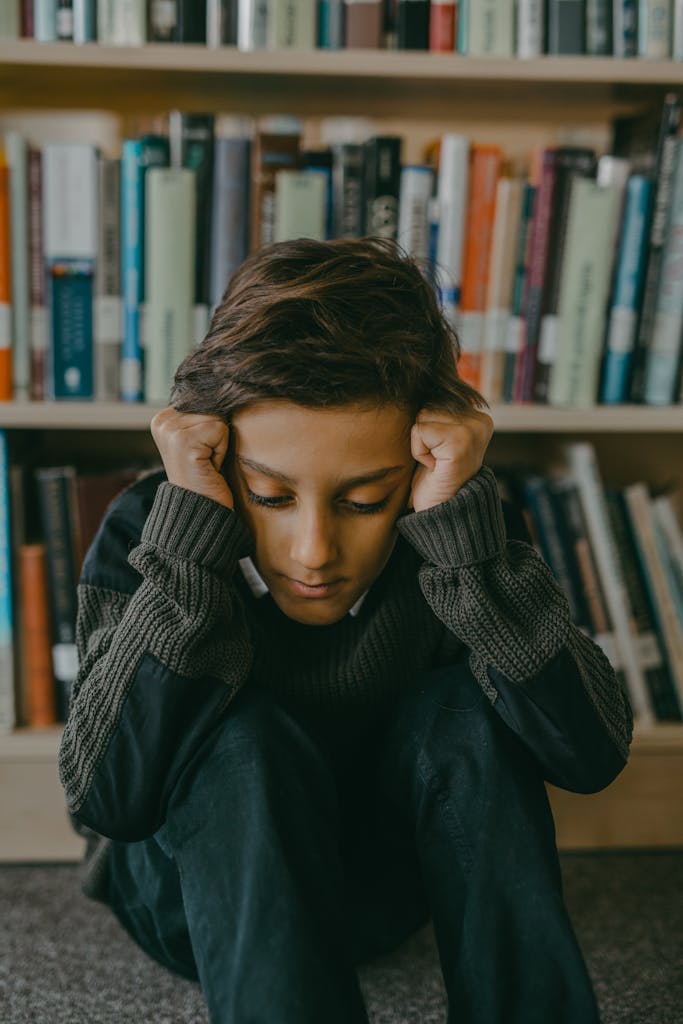
Understanding Anxiety in Children
Anxiety is a natural emotional response to perceived threat or uncertainty. In children, it is part of normal development. Some fears are expected at certain ages. For example, fear of separation in early childhood or social worries in later years. However, anxiety becomes a concern when it is:
- persistent
- intense
- interfering with daily life
Research shows that anxiety disorders are among the most common mental health difficulties in children, often beginning early and continuing if not addressed (Creswell et al., 2020).
Why Anxiety Often Goes Unnoticed
Children do not always have the words to explain how they feel. Instead of saying “I feel anxious,” they show it through behaviour. This can lead to misunderstandings. A child who refuses school may be labelled as defiant. Another who withdraws may be seen as shy. A child who reacts strongly may be described as difficult. In reality, these behaviours are often expressions of underlying anxiety.
7 Subtle Signs of Anxiety in Children
1. Avoidance of Everyday Situations
Avoidance is one of the most common signs. It may include:
- reluctance to go to school
- avoiding social situations
- refusing new activities
Avoidance provides short-term relief but reinforces anxiety over time. Research shows that avoidance maintains and strengthens anxiety patterns (Lebowitz et al., 2019).
2. Physical Complaints Without Clear Cause
Children often express anxiety physically. Common signs include:
- stomach aches
- headaches
- fatigue
These symptoms are real. They reflect the body’s stress response. The connection between anxiety and physical symptoms is well established in child psychology.
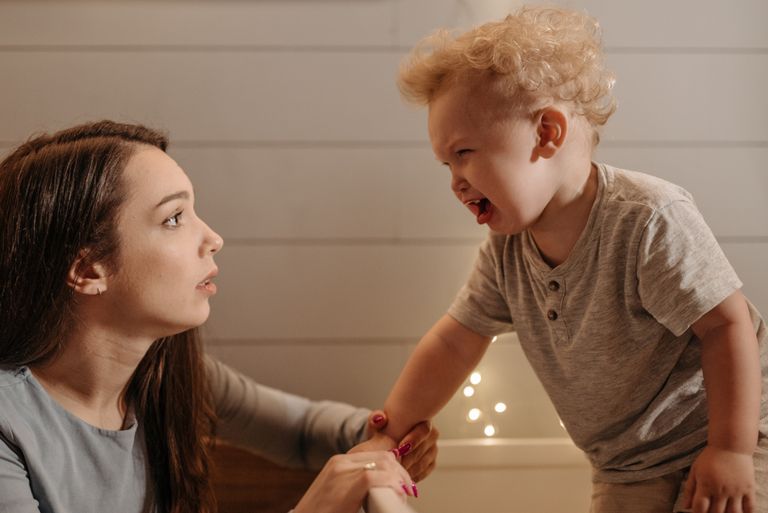
3. Irritability and Emotional Outbursts
Anxiety does not always look like fear. It can appear as:
- irritability
- frustration
- sudden emotional reactions
A child may seem easily overwhelmed or reactive. This is often the nervous system struggling to cope.
4. Perfectionism and Fear of Mistakes
Some children respond to anxiety by trying to control outcomes. This may look like:
- needing everything to be “just right”
- becoming upset over small mistakes
- avoiding tasks they might not succeed in
Perfectionism is often linked to underlying anxiety.
5. Difficulty Sleeping
Sleep problems are a common but overlooked sign. Children may:
- struggle to fall asleep
- wake frequently
- experience nightmares
An anxious mind finds it hard to settle.
6. Seeking Constant Reassurance
Children with anxiety often seek reassurance. They may ask:
- “Are you sure everything is okay?”
- “What if something bad happens?”
While reassurance helps in the moment, repeated reassurance can reinforce anxiety over time.
7. Withdrawal or Quietness
Not all anxious children are outwardly reactive. Some become quiet and withdrawn. They may:
- avoid speaking in groups
- keep worries to themselves
- appear disengaged
These children are often overlooked because they are not disruptive.
The Psychology Behind Childhood Anxiety
Understanding the mechanisms behind anxiety can help parents respond more effectively.
1. The Role of the Brain
The amygdala detects threat and activates the stress response. In anxious children, this system can become overactive. The prefrontal cortex, which helps regulate emotions, is still developing. This makes it harder for children to manage anxious thoughts.
2. The Nervous System and Safety
Anxiety is closely linked to the nervous system. When a child feels unsafe, the body shifts into protection mode. This can lead to:
- fight (outbursts)
- flight (avoidance)
- freeze (withdrawal)
These responses are automatic, not intentional.
3. The Role of Learning and Environment
Children learn how to respond to stress through experience. Factors that can influence anxiety include:
- temperament
- parenting style
- life events
- environmental stress
Research shows that both genetic and environmental factors contribute to childhood anxiety (Muris et al., 2016).
How Anxiety Impacts Mental Health
When left unaddressed, anxiety can affect multiple areas of a child’s life.
1. Emotional Wellbeing
Persistent anxiety can lead to:
- low mood
- reduced confidence
- feelings of overwhelm
2. Social Development
Anxiety can make social interaction difficult. Children may struggle to:
- make friends
- participate in group activities
- express themselves
3. Academic Functioning
Anxiety can interfere with concentration and learning. A child may:
- avoid tasks
- struggle to focus
- underperform despite ability
Research highlights that early anxiety is associated with increased risk of later mental health difficulties if not addressed (Copeland et al., 2018).
How Parents Can Support an Anxious Child
Supporting a child with anxiety requires understanding, patience, and consistency.
1. Recognise the Emotion Behind the Behaviour
Instead of focusing only on behaviour, ask: “What might my child be feeling?” This shift creates space for empathy.
2. Validate Their Experience
Validation helps children feel understood. For example:
- “I can see that this feels really hard for you.”
- “It makes sense that you feel nervous.”
Validation does not increase anxiety. It helps regulate it.
3. Encourage Gradual Exposure
Avoidance maintains anxiety. Gently encouraging children to face fears in small steps can build confidence. This process should be gradual and supportive.
4. Model Calm Responses
Children learn from adults. When parents respond calmly, children are more likely to feel safe.
5. Build Emotional Awareness
Help children name and understand their emotions. This supports emotional regulation and reduces confusion.
6. Create Predictability
Routine and structure can reduce anxiety. Knowing what to expect helps children feel more secure.
When to Seek Additional Support
Some level of anxiety is normal. However, support may be needed if anxiety:
- interferes with daily life
- persists over time
- causes significant distress
Early intervention can make a significant difference.
Understanding the Topic
Childhood anxiety is often misunderstood because it does not always look like anxiety. Instead, it appears through behaviour, physical symptoms, and subtle emotional cues. These expressions reflect the child’s internal experience and their developing ability to regulate emotions. Understanding anxiety from a psychological perspective allows parents to move beyond labels such as “difficult” or “shy.” It shifts the focus toward emotional needs and underlying processes. This perspective is essential for supporting mental health. It enables parents to respond with empathy, rather than frustration, and to create environments where children feel safe, understood, and supported.
Conclusion
Anxiety in children is not always obvious. It hides in everyday behaviours. It appears in small moments that are easy to overlook. But these signs matter. Recognising anxiety early allows parents to respond in ways that support emotional development and mental health. It creates opportunities for connection, understanding, and growth. Children do not need perfect parents. They need adults who are willing to look beneath the surface, to listen, and to respond with care. Sometimes, what looks like behaviour is actually a child asking for support in the only way they know how.
References
Copeland, W. E., Angold, A., Shanahan, L., & Costello, E. J. (2018). Longitudinal patterns of anxiety from childhood to adulthood. Journal of the American Academy of Child & Adolescent Psychiatry, 57(5), 361–368.
Creswell, C., Waite, P., & Hudson, J. (2020). Practitioner review: Anxiety disorders in children and young people. Journal of Child Psychology and Psychiatry, 61(6), 628–643.
Lebowitz, E. R., Marin, C., Martino, A., Shimshoni, Y., & Silverman, W. K. (2019). Parent-based treatment for childhood anxiety. Journal of the American Academy of Child & Adolescent Psychiatry, 58(4), 426–435.
Muris, P., van Brakel, A. M., Arntz, A., & Schouten, E. (2016). Behavioral inhibition as a risk factor for anxiety disorders. Journal of Child and Family Studies, 25(2), 1–12.
Pine, D. S. (2016). Research review: A neuroscience framework for pediatric anxiety disorders. Journal of Child Psychology and Psychiatry, 57(3), 271–288.