
Why Mindfulness Feels Difficult for People With Trauma
Introduction
Mindfulness has become one of the most widely recommended practices for improving mental health. It is praised for reducing stress, calming anxiety, improving emotional regulation, and increasing psychological wellbeing. From therapy rooms to schools and workplaces, mindfulness is often presented as a simple solution for managing life’s challenges. Yet for many people who have experienced trauma, mindfulness can feel anything but calming. Instead of bringing peace, sitting quietly with their thoughts may trigger anxiety, emotional overwhelm, flashbacks, or a powerful urge to escape. Modern psychology and neuroscience show that these reactions are understandable consequences of how trauma changes the brain and nervous system. Mindfulness itself is not harmful, but the way it is introduced can make a significant difference. Understanding why mindfulness feels difficult after trauma allows people to approach healing with greater compassion, flexibility, and safety.

What Is Mindfulness Really?
Mindfulness is often misunderstood. Many people believe mindfulness means:
- Emptying your mind.
- Stopping thoughts.
- Feeling calm immediately.
- Sitting perfectly still.
- Never becoming distracted.
In reality, mindfulness is none of these. According to modern psychology, mindfulness is the practice of noticing whatever is happening in the present moment with curiosity rather than judgement. Thoughts still arise. Emotions continue to exist. The difference is that we learn to observe these experiences without immediately reacting to them. Research over the past decade continues to demonstrate that mindfulness-based interventions can improve anxiety, depression, stress, emotional regulation, and overall mental health when appropriately delivered (Goldberg et al., 2022). However, these benefits depend greatly on whether the practice feels emotionally safe.
Why Mindfulness Can Feel Unsafe After Trauma
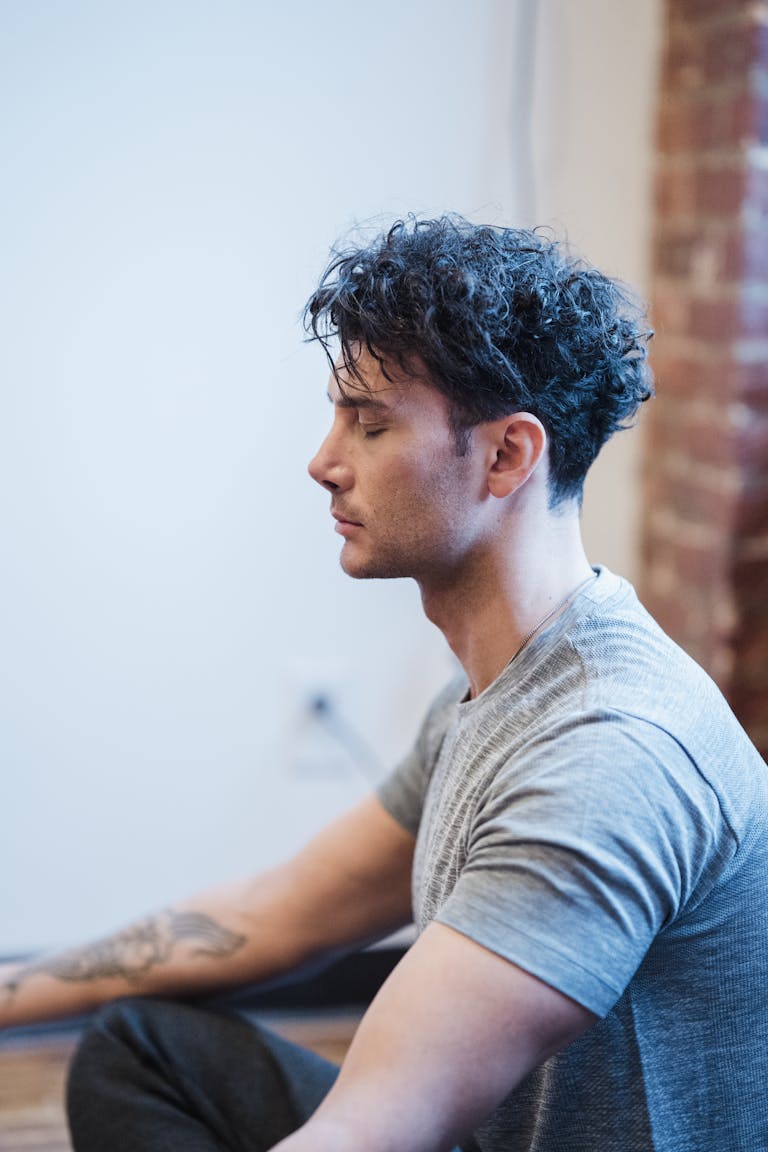
For many trauma survivors, silence is not peaceful. Silence creates space for thoughts, emotions, memories, and physical sensations that have often been pushed aside for years. When a mindfulness instructor says, “Close your eyes and notice your breathing,” this may sound calming to one person but threatening to another. Why? Because directing attention inward increases awareness of the body. For someone whose body has become associated with fear, vulnerability, or pain, increased awareness can activate the nervous system rather than calm it.
Some people notice:
- Rapid heartbeat.
- Muscle tension.
- Restlessness.
- Flashbacks.
- Panic.
- Emotional flooding.
- Numbness.
- Dissociation.
- A strong urge to stop the exercise.
These reactions are increasingly recognised within trauma-informed psychology as normal protective responses rather than failures of mindfulness practice.
When Mindfulness Brings Up Traumatic Memories
One reason mindfulness can feel frightening is that traumatic memories are not always stored like ordinary memories. Instead of existing as organised stories, they may appear as:
- Images.
- Physical sensations.
- Sounds.
- Smells.
- Emotional states.
- Fragments of memory.
Sitting quietly reduces external distractions. As a result, previously suppressed memories may become more noticeable. This does not necessarily mean mindfulness caused the memories. Rather, it reduced the distractions that had previously kept them outside awareness. Trauma-sensitive therapists prepare clients for this possibility and teach grounding skills before encouraging longer mindfulness practices.
What Is Trauma-Sensitive Mindfulness?
Traditional mindfulness often encourages people to sit still, close their eyes, and observe their internal experiences. While this approach may be effective for many individuals, it can feel overwhelming for someone whose nervous system has learned that paying attention inward is unsafe. Trauma-sensitive mindfulness takes a different approach. Rather than asking, “Can you stay with this feeling?” it asks, “What helps you feel safe enough to notice this experience?” The emphasis shifts from endurance to choice, recognising that healing happens when people feel in control of their experience.
Trauma-sensitive mindfulness is based on several key principles:
- Safety comes before self-awareness.
- Choice is more important than compliance.
- Flexibility is more helpful than rigid techniques.
- Grounding often comes before meditation.
- Curiosity replaces judgement.
Research suggests that adapting mindfulness practices to account for trauma histories improves engagement and reduces the likelihood of overwhelming emotional responses (Treleaven, 2018). This approach aligns with current trauma-informed care principles, which emphasise safety, collaboration, empowerment, and trust.
5 Practical Alternatives to Traditional Mindfulness
1. Grounding Through the Five Senses
Grounding shifts attention away from distressing internal experiences and towards the external environment. One commonly used exercise involves identifying:
- Five things you can see.
- Four things you can touch.
- Three things you can hear.
- Two things you can smell.
- One thing you can taste.
This simple practice helps the brain recognise that the present moment is different from the traumatic past.
2. Walking Mindfulness
Some individuals feel calmer when moving rather than sitting still. Walking mindfully involves paying attention to each step, noticing the contact between the feet and the ground, feeling the movement of the legs, or observing sounds and colours in the surrounding environment. Movement can help regulate the nervous system while still developing mindful awareness.
3. Eyes-Open Mindfulness
Closing the eyes may increase vulnerability for trauma survivors. Keeping the eyes open while gently observing a room, a tree outside the window, or an object in front of you can provide a greater sense of control and safety.
4. Object-Focused Attention
Rather than focusing on breathing, some people find it easier to observe a candle flame, hold a smooth stone, or notice the texture of a blanket. These external anchors reduce the intensity of internal awareness while still strengthening present-moment attention.
5. Compassion-Based Practices
Many trauma survivors experience harsh self-criticism. Compassion-focused mindfulness encourages people to respond to themselves with kindness rather than judgement. Research has shown that self-compassion is associated with lower levels of anxiety, depression, shame, and post-traumatic stress symptoms while supporting overall mental health (Ferrari et al., 2019).
A Step-by-Step Trauma-Informed Mindfulness Practice
If mindfulness has previously felt overwhelming, it can help to begin with very short, structured exercises.
Step 1: Check Your Sense of Safety
Before beginning, ask yourself:
- Do I feel physically safe?
- Am I in a quiet environment?
- Can I stop this exercise whenever I choose?
Knowing you have control helps reduce nervous system activation.
Step 2: Keep Your Eyes Open if Needed
There is no psychological rule that says mindfulness requires closed eyes. Many trauma therapists actively encourage clients to keep their eyes open until they naturally feel comfortable doing otherwise.
Step 3: Start With the Environment
Notice three colours around you. Then notice three sounds. Finally, identify three objects nearby. This external focus helps your nervous system orient to the present moment before turning inward.
Step 4: Notice One Physical Sensation
Instead of scanning your whole body, focus on something neutral. You might notice:
- Your feet touching the floor.
- Your hands resting on your lap.
- The feeling of your clothing against your skin.
If this becomes uncomfortable, return your attention to the room around you.
Step 5: End Before You Feel Overwhelmed
One common misconception is that longer practice is always better. For trauma survivors, shorter and more consistent practice is often far more effective. Even two or three minutes can help build tolerance gradually without overwhelming the nervous system.
5 Common Mistakes When Using Mindfulness After Trauma
Mindfulness is most effective when it is flexible and individualised. Several common mistakes can make the practice unnecessarily difficult.
1. Expecting Immediate Calm
Many people believe mindfulness should instantly reduce anxiety. In reality, becoming aware of difficult emotions may temporarily increase discomfort before greater regulation develops.
2. Forcing Long Meditation Sessions
Long periods of silence may exceed a person’s current Window of Tolerance. Shorter practices are often more sustainable.
3. Ignoring the Body’s Signals
If someone begins feeling overwhelmed, dissociated, or panicked, continuing the exercise is not always helpful. Pausing, grounding, or returning to the external environment may be the more therapeutic choice.
4. Comparing Yourself to Others
Mindfulness is not a performance. Every nervous system responds differently based on past experiences, personality, and current stress levels.
5. Believing There Is Only One Right Way
Mindfulness can involve breathing, walking, drawing, gardening, stretching, listening to music, or simply noticing the world around you. The best practice is the one that helps you stay safely connected to the present moment.
Conclusion
Mindfulness is often described as a pathway to calm, but for people living with trauma, the journey is rarely straightforward. Trauma changes the brain, nervous system, and relationship with the body in ways that make present-moment awareness feel unfamiliar or even threatening. Recognising this can replace frustration with understanding. Rather than asking why mindfulness feels so difficult, we can begin asking what the nervous system needs in order to feel safe enough to slow down. This shift reflects one of the most important advances in modern psychology: healing is not about forcing ourselves into stillness but about creating conditions where safety can gradually emerge. The encouraging news is that mindfulness is highly adaptable. There is no single “correct” way to practise it.
References
Akiki, T. J., Averill, C. L., & Abdallah, C. G. (2017). A network-based neurobiological model of PTSD: Evidence from structural and functional neuroimaging studies. Current Psychiatry Reports, 19(11), 81.
Boyd, J. E., Lanius, R. A., & McKinnon, M. C. (2018). Mindfulness-based treatments for posttraumatic stress disorder: A review of the treatment literature and neurobiological evidence. Journal of Psychiatry & Neuroscience, 43(1), 7–25.
Ferrari, M., Hunt, C., Harrysunker, A., Abbott, M. J., Beath, A. P., & Einstein, D. A. (2019). Self-compassion interventions and psychosocial outcomes: A meta-analysis of randomised controlled trials. Mindfulness, 10(8), 1455–1473.
Goldberg, S. B., Riordan, K. M., Sun, S., & Davidson, R. J. (2022). The empirical status of mindfulness-based interventions: A systematic review of 44 meta-analyses. Perspectives on Psychological Science, 17(1), 108–130.
Kroska, E. B., Roche, A. I., Adamowicz, J. L., & Stegall, M. S. (2020). Experiential avoidance and anxiety, depression, and posttraumatic stress: A meta-analysis. Psychological Bulletin, 146(6), 447–473.
Price, C. J., & Hooven, C. (2018). Interoceptive awareness skills for emotion regulation: Theory and approach of mindful awareness in body-oriented therapy. Frontiers in Psychology, 9, 798.
Treleaven, D. A. (2018). Trauma-sensitive mindfulness: Practices for safe and transformative healing. W. W. Norton & Company.