Open vs Closed Body Language: What Your Posture Says About Your Mental Health
Introduction
You may not always notice it, but your body is constantly communicating. Before you speak, before you even think consciously, your posture can signal how you feel. Shoulders tense or relaxed. Arms crossed or open. Head lowered or lifted. These small shifts often reflect something deeper, your internal emotional state. Psychology has long explored how body language influences social interactions. More recently, research has begun to show that posture is not just an outward expression. It can also shape mental health from the inside out. This creates a powerful two-way relationship. Your mind influences your body. But your body can also influence your mind. In this article, we explore the psychology behind open and closed body language, what posture reveals about emotional wellbeing, and how small physical changes can support better mental health.
What Is Open vs Closed Body Language?
Body language refers to the nonverbal signals we use to communicate. Posture is one of its most important components.
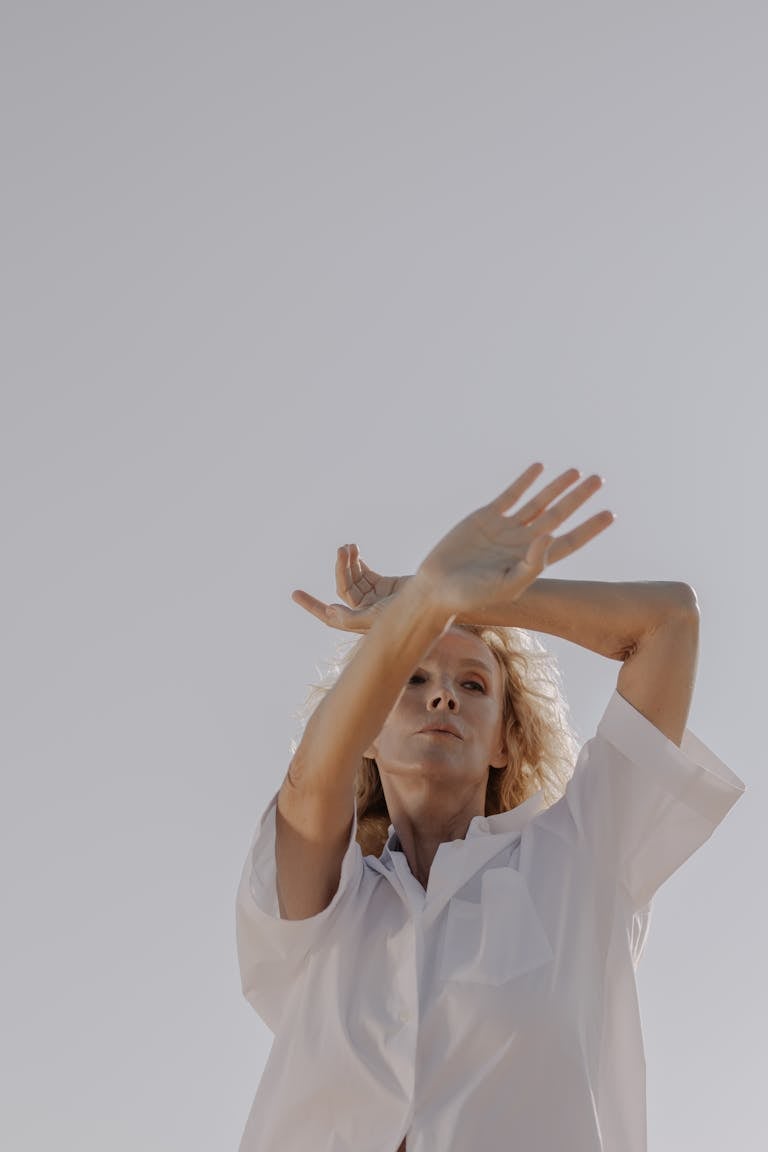
Open Body Language
Open posture is typically associated with:
- relaxed shoulders
- uncrossed arms and legs
- upright positioning
- steady eye contact
This type of body language often signals:
- confidence
- safety
- openness to connection
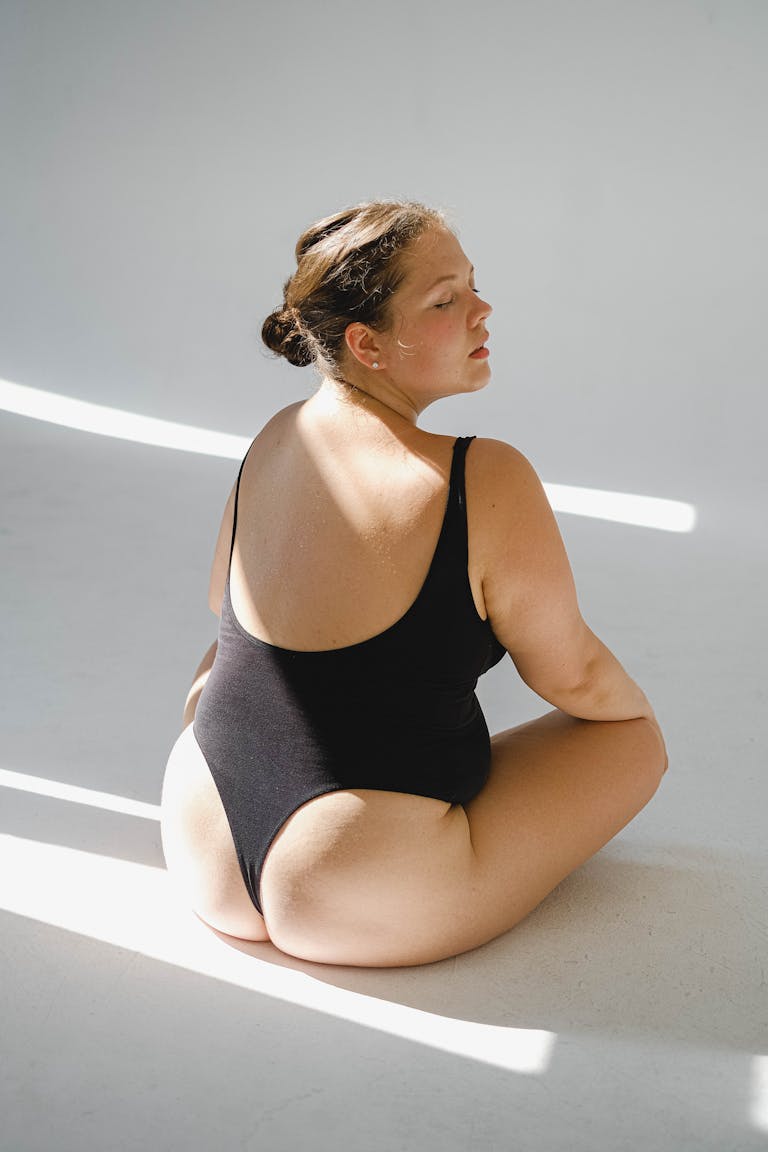
Closed Body Language
Closed posture often includes:
- crossed arms or legs
- hunched shoulders
- downward gaze
- minimal movement
This can signal:
- discomfort
- anxiety
- defensiveness
- emotional withdrawal
While these patterns are often automatic, they are closely linked to psychological states.
The Science Behind Posture and Mental Health
Modern research supports the idea that posture and mental health are interconnected.
1. Posture Influences Emotional Experience
Studies show that adopting an upright posture can lead to improved mood and increased positive affect. For example, research by Peper et al. (2017) found that participants who sat in an upright position reported higher energy and better mood compared to those in a slouched posture. Similarly, Nair et al. (2015) found that upright posture increased resilience to stress and reduced negative thinking patterns. This suggests that posture is not just reflective—it is causal.
2. Embodied Cognition: The Mind–Body Connection
The concept of embodied cognition explains how physical states influence mental processes. Rather than viewing the mind and body as separate, this theory suggests they work together continuously. Research shows that body posture can affect:
- attention
- memory
- emotional processing
A review by Körner et al. (2019) highlighted that physical posture can shape cognitive and emotional experiences, reinforcing the idea that the body plays an active role in mental health.
3. Posture and Self-Perception
How we carry ourselves also influences how we see ourselves. Research on posture and self-esteem suggests that upright, open body language is associated with:
- increased confidence
- reduced self-focus on negative thoughts
- improved self-perception
In contrast, closed posture may reinforce feelings of insecurity or low mood.
Why Closed Body Language Is Linked to Anxiety and Stress
Closed body language often appears during moments of perceived threat. From a psychological perspective, this response is linked to the nervous system.
When the brain detects stress or danger, the body may:
- contract inward
- reduce visibility
- minimise movement
This is a protective response. However, when this posture becomes habitual, it can maintain a state of anxiety. Research suggests that body contraction is associated with increased cortisol levels and heightened stress responses. Over time, this can reinforce patterns of emotional distress. In simple terms, the body stays in a defensive mode, even when the threat is no longer present.
Open Body Language and Emotional Safety
Open posture signals the opposite. It communicates safety, both internally and externally.
When the body is open:
- breathing becomes deeper
- muscle tension decreases
- the nervous system shifts toward regulation
This state is associated with the parasympathetic nervous system, which supports relaxation and recovery. Research in social psychology also shows that open body language increases perceived trustworthiness and approachability, improving social interactions. This creates a positive feedback loop:
- open posture → better social responses → improved emotional state
Can Changing Your Posture Improve Mental Health?
The idea that posture can influence mental health has gained increasing attention. While it is not a standalone solution, research suggests it can be a helpful tool. A systematic review by Cuddy et al. (2018) found that adopting expansive postures can influence subjective feelings of power and confidence, although results vary depending on context.
More recent studies suggest that even subtle posture changes can:
- reduce fatigue
- improve mood
- increase engagement
This highlights an important point. You do not need dramatic changes. Small shifts can have meaningful effects.
The Feedback Loop Between Body and Mind
One of the most important insights from psychology is the existence of a feedback loop.
- Thoughts influence posture
- Posture influences thoughts
For example:
- Feeling anxious → body closes → reinforces anxiety
- Standing upright → increases confidence → reduces negative thinking
This loop can either maintain distress or support wellbeing. Becoming aware of this cycle is the first step toward change.
6 Practical Ways to Shift from Closed to Open Posture
Changing posture is not about forcing confidence. It is about gently supporting your nervous system. Here are simple, evidence-informed strategies:
1. Adjust Your Sitting Position
Sit with your back supported and shoulders relaxed. Avoid slouching forward for long periods.
2. Uncross Your Arms
Crossed arms can signal defensiveness. Uncrossing them can create a sense of openness.
3. Lift Your Gaze
Looking slightly upward rather than downward can improve mood and reduce rumination.
4. Focus on Breathing
Deep, steady breathing naturally encourages an open posture.
5. Take Movement Breaks
Prolonged stillness can reinforce closed posture. Gentle movement helps reset the body.
6. Practice Awareness
Notice how your posture changes with your emotions. This awareness builds the ability to intervene early.
When Body Language Reflects Deeper Mental Health Challenges
It is important to recognise that posture is not always a simple habit. In some cases, closed body language may reflect:
- chronic anxiety
- depression
- trauma-related responses
Research shows that individuals with depression often display reduced movement, slouched posture, and lower physical energy. In these situations, posture changes alone may not be enough. They can, however, be a supportive part of a broader approach to mental health, alongside therapy, self-care, and social support.
Understanding the Topic
At its core, the relationship between body language and mental health highlights a fundamental psychological principle: the mind and body are deeply connected. Posture is not just a physical position. It is a reflection of emotional states, cognitive patterns, and nervous system activity. Closed body language often signals protection and withdrawal. Open body language reflects safety and engagement. However, this relationship works in both directions. By becoming aware of posture and making small adjustments, individuals can influence how they feel. Over time, this can support emotional regulation, reduce stress, and improve overall wellbeing. Understanding this connection helps reframe posture as more than appearance. It becomes a tool for psychological change.
Conclusion
Body language speaks, even when we do not. The way we hold ourselves can reveal how we feel, but it can also shape those feelings in return. Open and closed postures are not just social signals. They are part of a larger system connecting the body and mind. Psychology shows that small physical changes can influence emotional experiences. While posture alone will not transform mental health, it can play a meaningful role in supporting it. Learning to recognise and gently shift body language is a simple yet powerful step. It encourages awareness, reduces stress, and creates space for more balanced emotional responses. Sometimes, the path to better mental health begins with something as small as how you sit, stand, or breathe.
References
Cuddy, A. J. C., Schultz, S. J., & Fosse, N. E. (2018). P-curving a more comprehensive body of research on postural feedback. Psychological Science, 29(4), 656–666.
Körner, A., Topolinski, S., & Strack, F. (2019). Routes to embodiment. Frontiers in Psychology, 10, 1979.
Nair, S., Sagar, M., Sollers, J., Consedine, N., & Broadbent, E. (2015). Do slumped and upright postures affect stress responses? Health Psychology, 34(6), 632–641.
Peper, E., Lin, I. M., Harvey, R., & Perez, J. (2017). How posture affects memory recall and mood. Biofeedback, 45(2), 36–41.
Tsai, W., & Lin, Y. (2020). Posture, mood, and emotional regulation: A review. Journal of Behavioral Medicine, 43(6), 897–910.