The Hidden Impact of Early Screens: How Digital Overstimulation Shapes Young Brains
Introduction
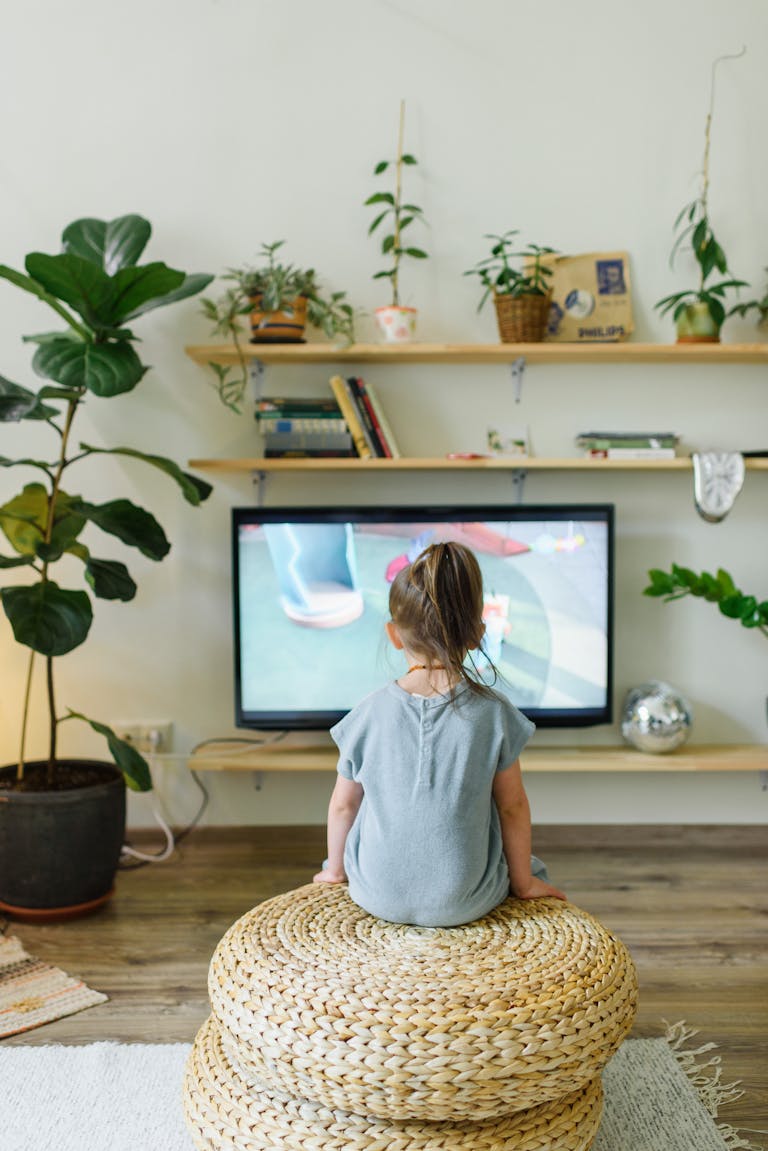
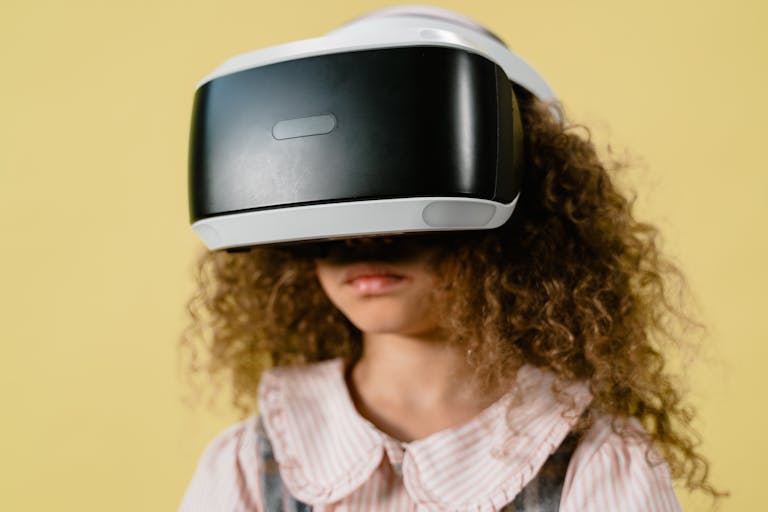
Screens have become part of everyday family life. They entertain, educate and give parents brief moments of rest. But for young children—especially under age five—the brain is still wiring itself at incredible speed. Research now shows that too much screen time, or the wrong type of content, can overstimulate the developing brain and impact long-term mental health. This doesn’t mean screens must disappear. It simply means that how and when children use screens matters far more than most parents realise.
What Digital Overstimulation Means
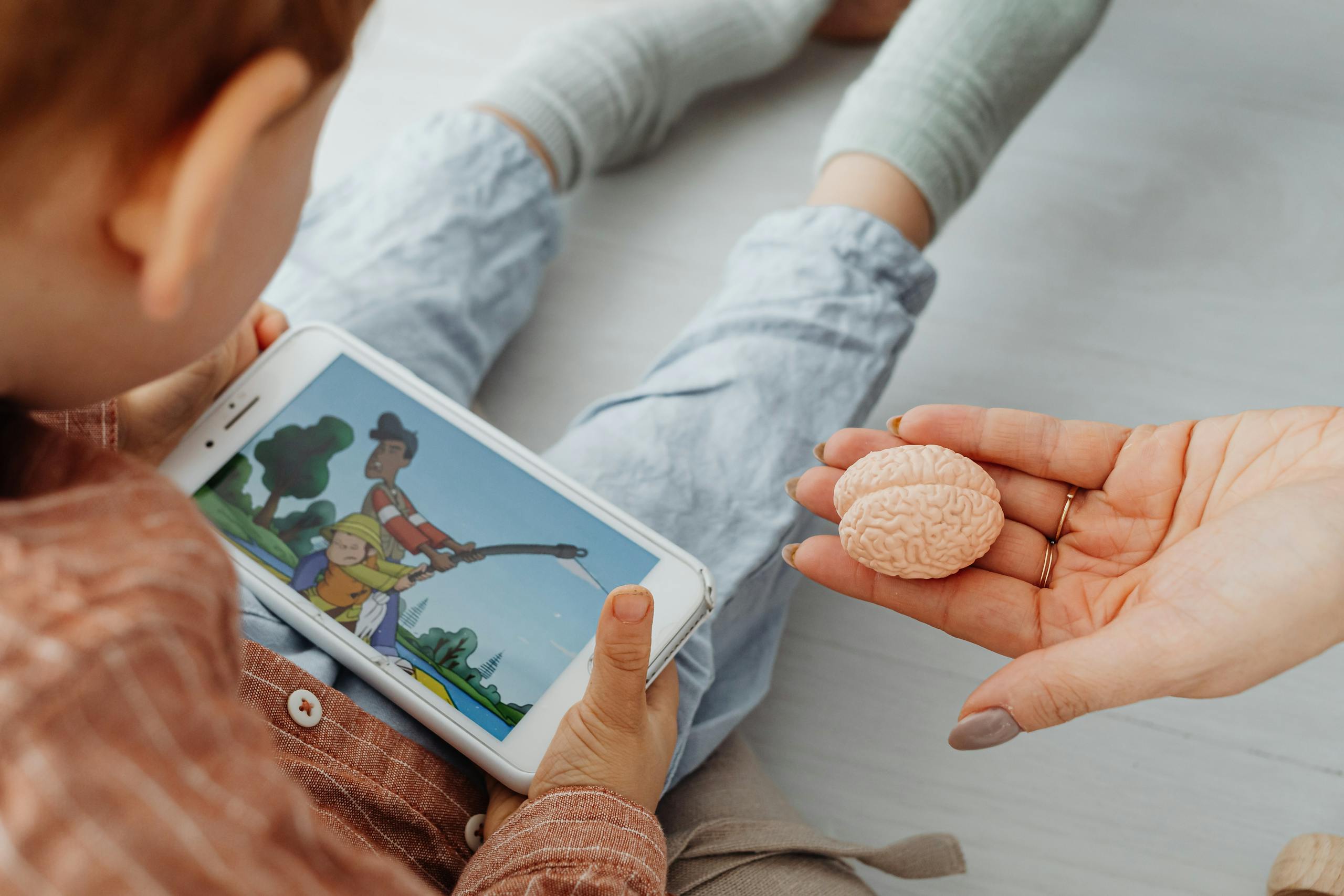
Digital overstimulation happens when a child’s brain receives more sensory input than it can process, such as:
- Fast-paced videos
- Constant background noise
- Bright colours and quick scene changes
- Interactive features stimulating rapid reward cycles
Young brains, still developing attention, emotional control and self-regulation, struggle to keep up.
How Early Screen Exposure Shapes the Brain
1. Attention & Executive Function
Research has found that excessive screen use in early childhood is linked with poorer attention, weaker working memory and reduced executive function (Madigan et al., 2019). Fast-paced digital content trains the brain to expect constant stimulation, making day-to-day tasks feel “boring.”
2. Emotional Regulation
Children who are frequently overstimulated may become more irritable or dysregulated. Studies show that high screen use is associated with greater emotional reactivity and social difficulties (Radesky & Christakis, 2016).
3. Delayed Language Development
Passive screen use before age three is linked to slower language growth because children learn speech through human interaction—not devices (Birken et al., 2017).
4. Sleep Disruption
Blue light and overstimulating content delay melatonin release and reduce sleep quality, which affects mental health and learning (Carter et al., 2016).
Understanding the Issue
Understanding the impact of early screen use requires compassion. Many parents rely on screens because they are overwhelmed, juggling work, childcare and daily pressures. The problem is not “bad parenting.” The issue is that children’s brains simply develop faster than our technology policies and cultural habits. When we know better, we can do better—and make screen use a healthier part of family life.
What Helps: 5 Practical, Parent-Friendly Guidelines
1. Prioritise “slow” and educational content
Choose shows with:
- Slow pacing
- Real-life language
- Minimal visual chaos
- No rapid cuts
2. Co-view whenever possible
Children learn best through interaction. Sitting with them improves language and emotional learning.
3. Protect sleep
Avoid screens 1–2 hours before bedtime.
4. Use screens as a tool, not a default
Try to keep screen time purposeful: learning, connecting, or calming—not simply filling silence.
5. Add more real-world sensory play
Water play, blocks, sand, climbing, music—these activities regulate the nervous system and build healthy brain pathways.
Long-Term Mental Health Benefits of Balanced Screen Use
When managed well, screens can support:
- Emotional learning
- Language growth
- Creativity
- Social connection
- Resilience
The goal is balance, not restriction.
Conclusion
Screens are part of modern childhood, but young brains need protection from overstimulation. By choosing calmer content, setting boundaries and filling daily life with real-world play and connection, parents can support healthier brain development and stronger mental health. Small adjustments now create long-lasting benefits later.
References
Birken, C. S., Maguire, J. L., Mekky, M., Manlhiot, C., Beck, C. E., DeGroot, J., … & Parkin, P. C. (2017). Associations between screen time and lower psychosocial well-being among preschoolers. PLOS ONE, 12(4), e0172829.
Carter, B., Rees, P., Hale, L., Bhattacharjee, D., & Paradkar, M. (2016). Association between portable screen-based media device access or use and sleep outcomes: A systematic review and meta-analysis. JAMA Pediatrics, 170(12), 1202–1208.
Madigan, S., Browne, D., Racine, N., Mori, C., & Tough, S. (2019). Association between screen time and children’s performance on a developmental screening test. JAMA Pediatrics, 173(3), 244–250.
Radesky, J., & Christakis, D. (2016). Media and young minds: Effects on development and health. Pediatrics, 138(5), e20162591.