Top 10 Foods in the MIND Diet That Boost Brain Function
Introduction
Research on mental health is becoming more interested in the relationship between diet and brain function. In addition to providing energy for our bodies, diet has a significant effect on mental clarity, emotional stability, and resistance to neurological diseases. The MIND diet is among the best nutritional strategies for enhancing brain function. The MIND diet, which stands for the Mediterranean-DASH Intervention for Neurodegenerative Delay, combines the benefits of the DASH and Mediterranean diets to improve mental health and reverse cognitive decline (Morris et al., 2015). This article delves into the top 10 foods included in the MIND diet and explores their unique benefits for brain function and overall mental health.
Understanding the MIND Diet
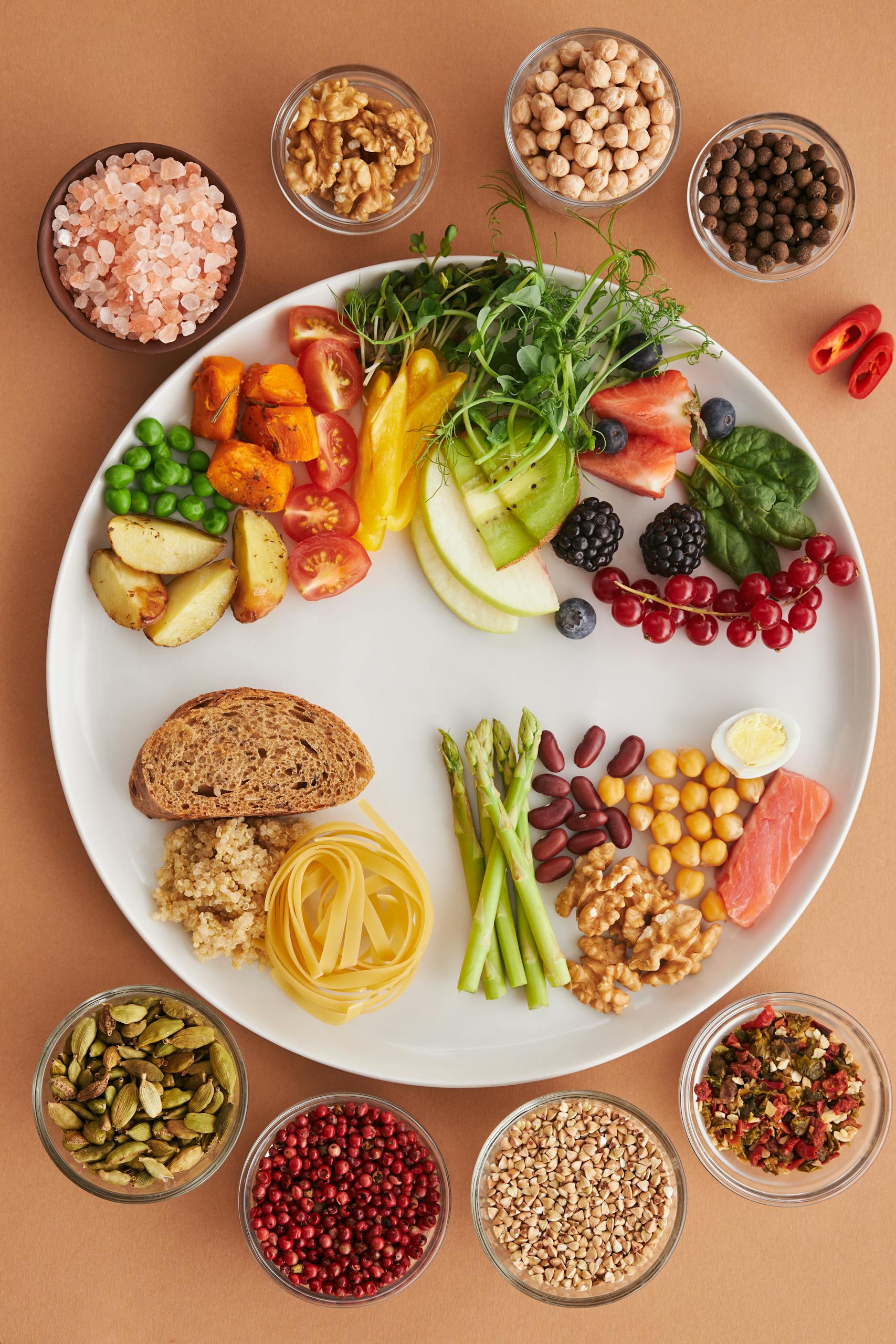
The MIND diet limits foods that cause inflammation and oxidative stress and emphasises foods high in vitamins, antioxidants, and healthy fats. These choices are rooted in research linking dietary patterns to reduced risk of Alzheimer’s disease and enhanced mental performance (Morris et al., 2015).
Its structure is straightforward: eat fewer meals that may impair cognitive function and more foods that are good for the brain. People can promote both current cognitive functioning and long-term brain health by incorporating these suggestions.
10 Foods That Boost Brain Function
1. Leafy Green Vegetables
Leafy greens such as spinach, kale, and collard greens are foundational to the MIND diet. Packed with nutrients like vitamin K, beta-carotene, and folate, they are known for their neuroprotective properties.
Studies have found that regular consumption of leafy greens can slow cognitive decline. For example, a longitudinal study revealed that older adults who ate one or two servings of leafy greens daily had the cognitive abilities of someone 11 years younger (Morris et al., 2018).
How to Include:
- Use kale as a base for salads.
- Add spinach to smoothies or omelettes.
2. Other Vegetables
In addition to leafy greens, other vegetables—especially colourful ones—are critical for brain health. Rich in fibre, vitamins, and antioxidants, vegetables like carrots, peppers, and broccoli help reduce inflammation and oxidative damage to brain cells.
How to Include:
- Steam or roast broccoli as a side dish.
- Snack on raw carrots or bell peppers with hummus.
3. Berries
Berries, particularly blueberries, are one of the most powerful foods in the MIND diet. They are packed with flavonoids, which are known to enhance memory and delay brain aging.
Research has shown that berry consumption improves neuronal signalling in brain regions associated with memory and motor function. One study found that eating blueberries regularly could delay cognitive aging by up to 2.5 years (Devore et al., 2012).
How to Include:
- Add mixed berries to yoghurt for a healthy dessert.
- Top your morning oatmeal with fresh or frozen berries.
4. Nuts
Nuts are a great source of healthy fats, antioxidants, and vitamin E, which protect brain cells from oxidative stress. Walnuts, in particular, are rich in alpha-linolenic acid (ALA), a type of omega-3 fatty acid that supports cognitive health.
How to Include:
- Add crushed nuts to salads or stir-fries.
- Snack on a handful of almonds or walnuts.
5. Olive Oil
Olive oil, especially extra virgin olive oil, is a staple of the MIND diet and a key component of the Mediterranean diet. It is rich in monounsaturated fats and polyphenols, which have anti-inflammatory and antioxidant properties.
Research suggests that using olive oil as the primary dietary fat is associated with improved cognitive function and a reduced risk of neurodegenerative diseases (Valls-Pedret et al., 2015).
How to Include:
- Replace butter with olive oil for cooking.
- Use olive oil as a dressing for salads.
6. Whole Grains
Whole grains like oats, quinoa, and brown rice provide a steady source of energy to the brain. They are rich in B vitamins, which play a role in reducing inflammation and maintaining cognitive performance.
How to Include:
- Opt for quinoa or brown rice as a base for meals.
- Swap white bread for whole-grain bread.
7. Fish
Fatty fish, such as salmon, mackerel, and sardines, are a rich source of omega-3 fatty acids, particularly EPA and DHA. These fats are essential for brain development and function, as well as reducing the risk of cognitive decline.
A study found that individuals who consumed fish at least once a week had better memory and executive function compared to non-consumers (Zhang et al., 2016).
How to Include:
- Add canned sardines to salads or whole-grain crackers.
- Grill or bake salmon for dinner.
8. Beans
Beans, including lentils, chickpeas, and black beans, are high in protein, fibre, and B vitamins. They help stabilise blood sugar levels, providing a steady source of energy for the brain.
How to Include:
- Add lentils to salads or grain bowls.
- Use beans as a base for soups or stews.
9. Poultry
Chicken and turkey are excellent sources of lean protein and B vitamins. They support the production of neurotransmitters like serotonin and dopamine, which regulate mood and cognitive function.
How to Include:
- Add turkey slices to whole-grain sandwiches.
- Grill chicken for a simple, healthy protein source.
10. Wine (in Moderation)
Wine, particularly red wine, is included in the MIND diet for its resveratrol content. Resveratrol is an antioxidant that may protect brain cells from damage and reduce inflammation.
However, moderation is key—one glass per day for women and two for men is the recommended limit.
How to Include:
- Substitute wine with grape juice for non-alcoholic options.
- Enjoy a small glass of red wine with dinner.
Understanding the Topic
When it comes to mental and cognitive well-being, nutrition is crucial. By supplying vital nutrients, controlling inflammation, and guarding against oxidative damage, the foods we eat have a direct impact on the development and function of our brains. The MIND diet is a useful, scientifically supported strategy for promoting resilience and brain health. It provides an easy strategy to improve longevity and mental health by focussing on foods that support the brain and reducing unhealthy ones.
Conclusion
The MIND diet provides evidence of the significant influence that nutrition has on mental and cognitive health. You can promote emotional resilience, prevent neurological diseases, and support cognitive function by including its top 10 foods—leafy greens, berries, almonds, and more—into your daily meals.
The MIND diet offers a strong basis for enhancing brain health, even if no diet can completely stop mental health issues or cognitive decline. Over time, making minor, regular dietary adjustments can have a big impact. The MIND diet provides a scientifically supported road map for improved mental health, regardless of your goals—whether they are to improve focus, prevent ageing, or just fuel your body.
References
Devore, E. E., Kang, J. H., Breteler, M. M., & Grodstein, F. (2012). Dietary intakes of berries and flavonoids in relation to cognitive decline. Annals of Neurology, 72(1), 135-143. https://doi.org/10.1002/ana.23594
Morris, M. C., Tangney, C. C., Wang, Y., Sacks, F. M., Barnes, L. L., Bennett, D. A., & Aggarwal, N. T. (2015). MIND diet slows cognitive decline with aging. Alzheimer’s & Dementia, 11(9), 1015-1022. https://doi.org/10.1016/j.jalz.2015.04.011
Valls-Pedret, C., Sala-Vila, A., Serra-Mir, M., Corella, D., de la Torre, R., Martínez-González, M. A., … & Ros, E. (2015). Mediterranean diet and age-related cognitive decline: A randomized clinical trial. JAMA Internal Medicine, 175(7), 1094-1103. https://doi.org/10.1001/jamainternmed.2015.1668
Zhang, Z., Chen, X., & Chen, C. (2016). Fish consumption and cognitive function in older adults: A meta-analysis. American Journal of Clinical Nutrition, 103(2), 399-407. https://doi.org/10.3945/ajcn.115.123281