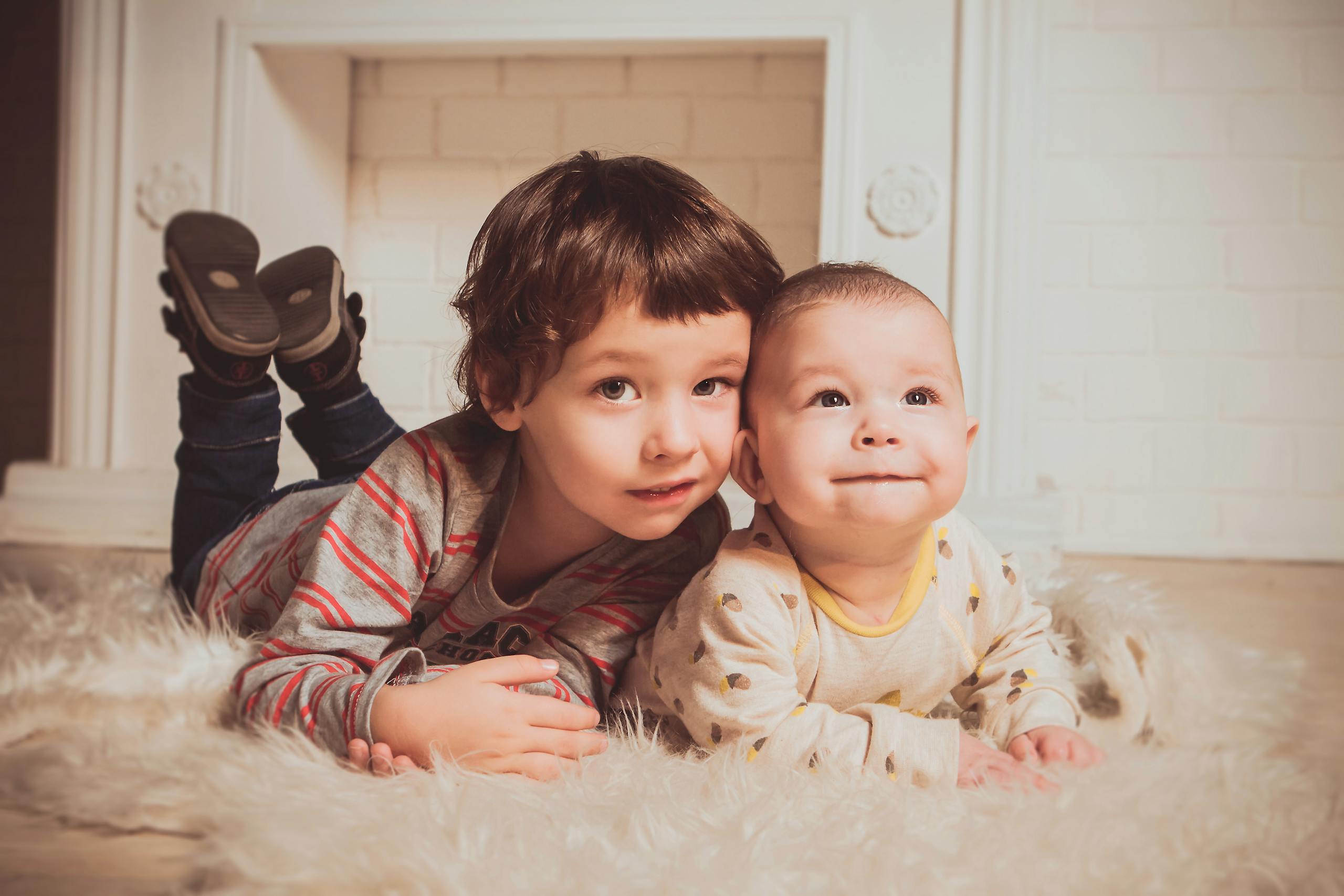
Sibling Rivalry, Birth Order & Self-Esteem: Why Family Roles Affect Your Self-Worth
Introduction
Family shapes us before we ever meet the wider world. The way parents treat us, the role we take in the sibling group and the rivalries we experience can leave lasting footprints on self-worth. For many people, childhood memories being compared to a brother, losing out on attention, or playing the “responsible oldest” keep echoing into adulthood as quietly wounded beliefs: “I’m less important,” “I must be perfect,” or “I don’t deserve attention.” These beliefs matter for mental health. This article explains how sibling rivalry and birth order influence self-esteem, what recent research shows and practical steps parents and adults can use to repair or protect self-worth.
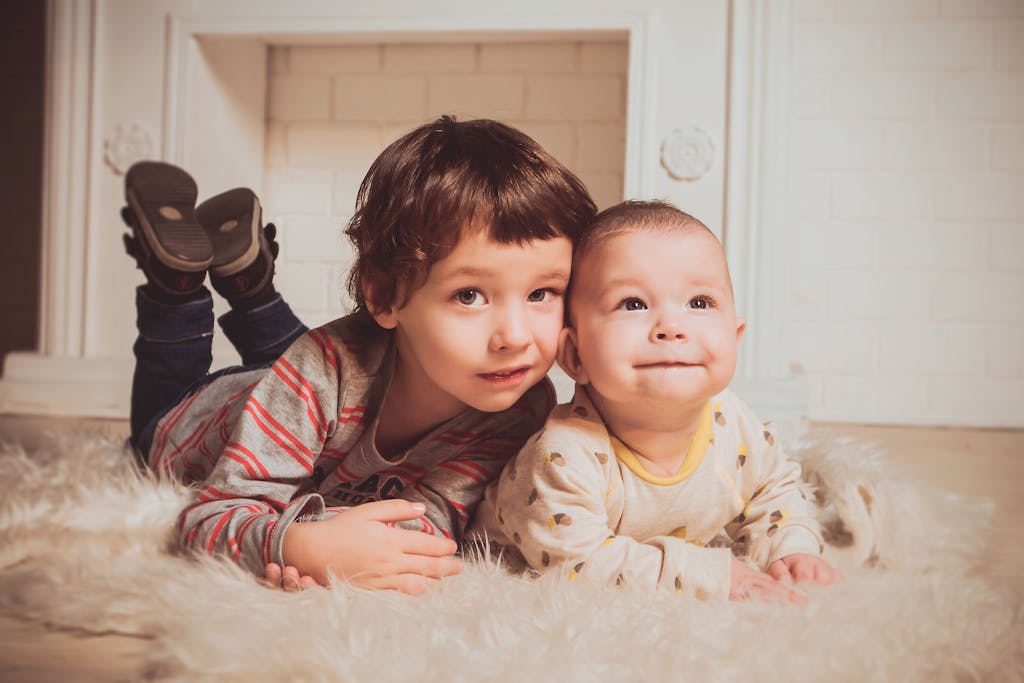
What we mean by sibling rivalry, birth order and self-esteem
Quick definitions:
- Sibling rivalry — ongoing conflict, competition, or perceived unfairness between brothers and sisters. It ranges from teasing to persistent bullying or emotional neglect.
- Birth order — ordinal position in a family (firstborn, middle, lastborn, only child). It shapes roles, responsibilities and parental expectations.
- Self-esteem — a person’s overall sense of value and self-worth; a protective factor for good mental health.
These factors interact. Rivalry often involves perceived parental differential treatment (one child favoured over another), while birth order commonly guides the roles children adopt (e.g., “the caretaker” or “the free-spirit”). These roles, if rigid or negative, can erode self-esteem over time.
What recent research tells us (short version)
- Birth order links to mental-health markers and self-esteem. A large study of school-aged children found birth order associated with differences in mental health, self-esteem and resilience — for example, firstborns sometimes report different outcomes than later-borns. These patterns are complex and influenced by family size and culture.
- Sibling conflict predicts lower self-esteem. Recent work shows that higher conflict with the sibling you fight most with is linked to poorer self-regulation and lower self-esteem in young adulthood. In other words, chronic rivalry leaves scars that last.
- Parental differential treatment matters. Parents don’t always treat children the same. Large meta-analytic work indicates that parents are more likely to favour some children (often older siblings or daughters) and those perceived as less favoured can show worse self-worth and mental-health outcomes. This differential treatment often fuels rivalry and long-term relationship strain.
- Parenting style and broader family climate strongly shape self-esteem. Systematic reviews show supportive, autonomy-encouraging parenting predicts higher self-esteem, while harsh, conditional, or inconsistent parenting predicts lower self-esteem. This effect often appears stronger than simple birth-order labels.
How sibling rivalry and birth order shape self-esteem — the mechanisms
There are several ways family roles become internalised beliefs:
- Perceived fairness and comparison. Children notice who gets praise, who gets more freedom, who’s held to higher standards. Those who feel less favoured often infer they are less worthy (a blow to self-esteem).
- Role internalisation. Firstborns may be asked to be responsible; laterborns may be cast as the “fun one.” If roles are rigid, children confine their self-image to a narrow script — and any deviation can feel like failure.
- Emotional modelling and attachment. Sibling dynamics shape attachment patterns and social skills. Sibling aggression, neglect, or chronic conflict predicts anxiety, depression and lower self-worth later in life.
- Resource dilution. In large families, parental time and attention are finite. Less attention or support can mean fewer chances to practice competence and gain approval — both central to healthy self-esteem.
- Comparison culture inside the home. Praise, criticism and teasing become internalised scripts. “Your brother is better at maths” can become “I’m not smart.” Repeated messages form self-beliefs.
Who is most at risk?
Not every child in a large family ends up struggling. Risk increases when:
- Differential treatment is overt or persistent.
- Sibling rivalry includes aggression or bullying (not playful rivalry).
- Parents use conditional regard (love tied to performance).
- Family stressors (financial hardship, parental mental-health problems, divorce) amplify conflict.
- A child lacks external supports (friends, teachers, mentors) to counter negative family messages.
Importantly, birth order alone is not destiny. The quality of relationships and parenting matters more than ordinal position (research indicates birth-order effects are often small and context-dependent).
Practical steps to protect or rebuild self-esteem (for parents and adults)
For parents — reduce rivalry and protect self-worth
- Be mindful of differential treatment. Try to give each child moments of undivided attention. Even small rituals matter. Meta-analytic work shows perceived fairness is strongly linked to better sibling relationships and child outcomes.
- Praise effort, not fixed traits. Emphasise learning and persistence (“You worked hard on that”) rather than comparisons (“You’re the smart one”). This builds internal competence and self-esteem.
- Intervene in harmful rivalry. If sibling conflict includes physical or emotional aggression, intervene promptly and teach conflict resolution. Sibling aggression has real mental-health costs.
- Create distinct roles and opportunities. Give each child tasks and responsibilities that match their strengths — a reliable route to mastery and self-worth.
For adults who grew up with rivalry — how to heal
- Name the messages. Journal the early family messages you internalised (“I was the backup performer,” “I am compared to X”). Naming is the first step to reframing.
- Look for corrective relationships. Healthy friendships, mentoring, or therapy offers new feedback: you are valued beyond family roles.
- Practice self-compassion and reparenting. Treat yourself with the care you needed as a child. Small acts — setting boundaries, saying “no,” owning a hobby — repair self-trust.
- Reframe competencies. Make a list of real skills and evidence of your worth (moments you succeeded, helped others, kept promises). Return to this list when old comparisons arise.
Quick evidence snapshot (why these steps work)
- A study of 9–10-year-olds showed birth-order differences in mental-health measures (including self-esteem), but effects depended on family structure and parental behaviour — not birth order alone. This suggests parenting and resources are key levers.
- Research on sibling conflict in young adults found that greater conflict with the “most conflictual sibling” predicts lower self-esteem and poorer self-regulation, pointing to long-term effects of repeated rivalry.
- Reviews on parenting and self-esteem emphasise that supportive, autonomy-encouraging parenting predicts stronger self-worth across development — and this often trumps simple birth-order assumptions.
Understanding the Topic
At its core, this topic is about identity formation inside a small social system. Families are our first social mirrors. When those mirrors are warped by comparison, favouritism or conflict, children absorb distorted images of themselves. But identity and self-worth remain flexible. Over time, corrective experiences — reliable friendships, supportive partners, skill mastery, therapy — can reshape that mirror. Understanding that family roles matter, but are not unchangeable, gives both parents and adults a path forward.
Conclusion
Sibling rivalry and birth order can influence self-esteem, but they do so through parenting, perceived fairness and the quality of sibling relationships — not simply by ordinal position. The good news is practical: small changes in family behaviour and intentional repair for adults, make a big difference to mental health. If you’re a parent, aim for fairness, praise effort and step in when rivalry becomes harmful. If you grew up with rivalry, name the old messages, seek corrective relationships and build your story around strengths, not comparisons. Self-worth is repairable. Families shape us but they don’t have to define us forever.
References
Fukuya, Y., Kojima, R., & Suzuki, H. (2021). Association of birth order with mental health problems, self-esteem, resilience, and happiness among children aged 9–10 years. BMC Public Health. https://www.ncbi.nlm.nih.gov/pmc/articles/PMC8079750/. PMC
Ashton, M. C., et al. (2024). Personality differences between birth order categories and across sibship sizes. Personality Research Journal. (See summary at PMC). PMC
Journal of Family Psychology / Psychological Bulletin summary: Jensen, A. C., & Jorgensen-Wells, M. (2025). Parents favour daughters and older siblings: Meta-analytic findings on parental differential treatment. Psychological Bulletin. (media coverage and summaries). apa.org+1
Tucker, C. J. (2025). Sibling aggression and abuse: Invisible and widespread — effects on youth mental health. American Journal of Public Health. (Review of recent evidence on sibling aggression and mental-health consequences). ajph.aphapublications.org
Gul, F., et al. (2024). The relationship between parenting styles and self-esteem: A longitudinal meta-analysis. Frontiers in Psychology. https://www.ncbi.nlm.nih.gov/pmc/articles/PMC11374292/.