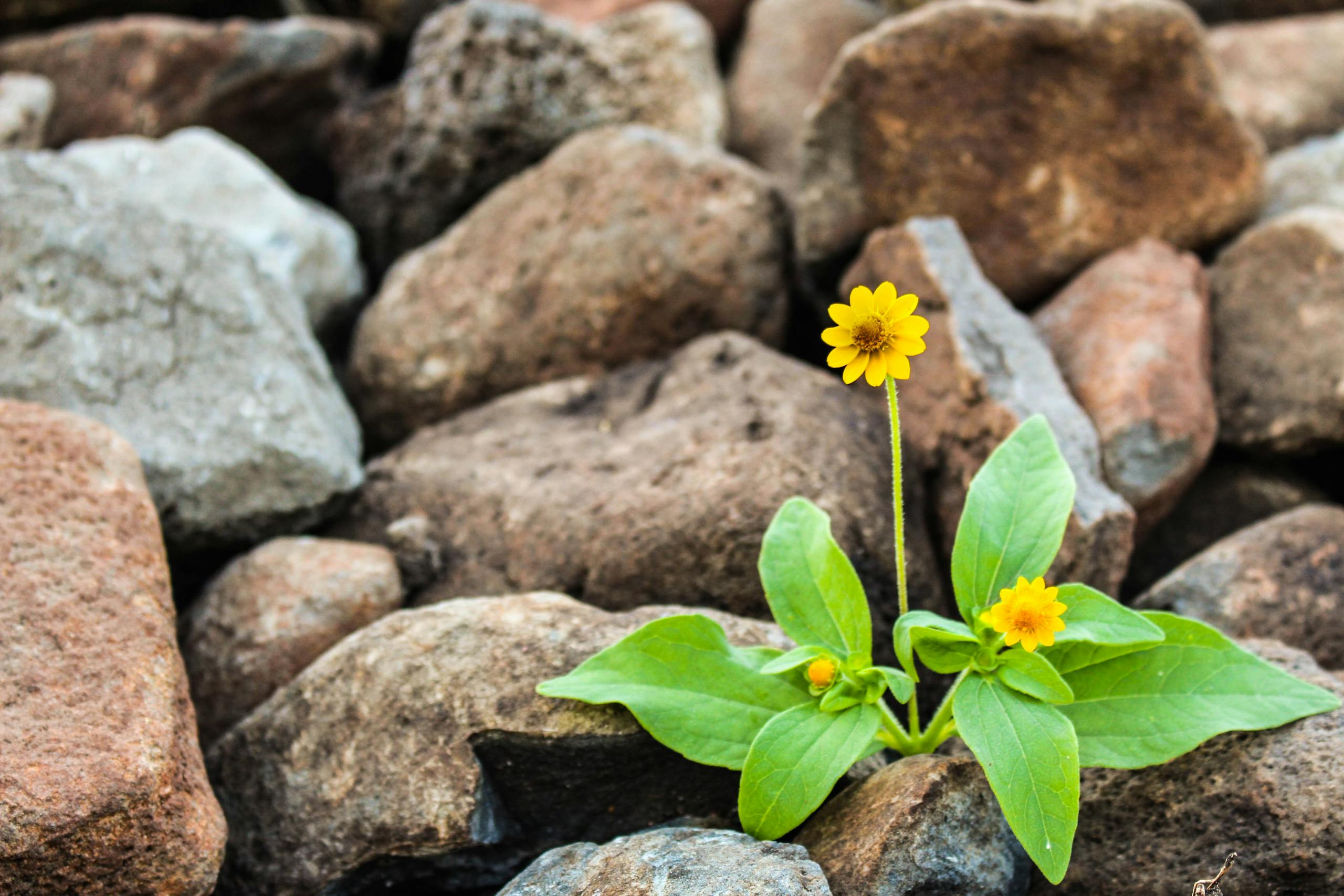
Exploring the 5 Types of Resilience: Thriving Through Adversity
Introduction
Being resilient is more than just getting back up after a setback; it’s about becoming stronger and more self-aware as a result of overcoming obstacles. In this article, we examine what resilience really means: its five essential types—emotional, social, physical, cognitive, and spiritual—and how each can be cultivated to support mental health. Along with learning what resilience is, you’ll also learn why it’s important, how to develop it practically, and which forms are most useful. We also describe the biological and psychological mechanisms of resilience by referencing current scientific research. Whether you’re navigating daily stress, recovering from trauma, or aiming to thrive, this article guides you step by step.
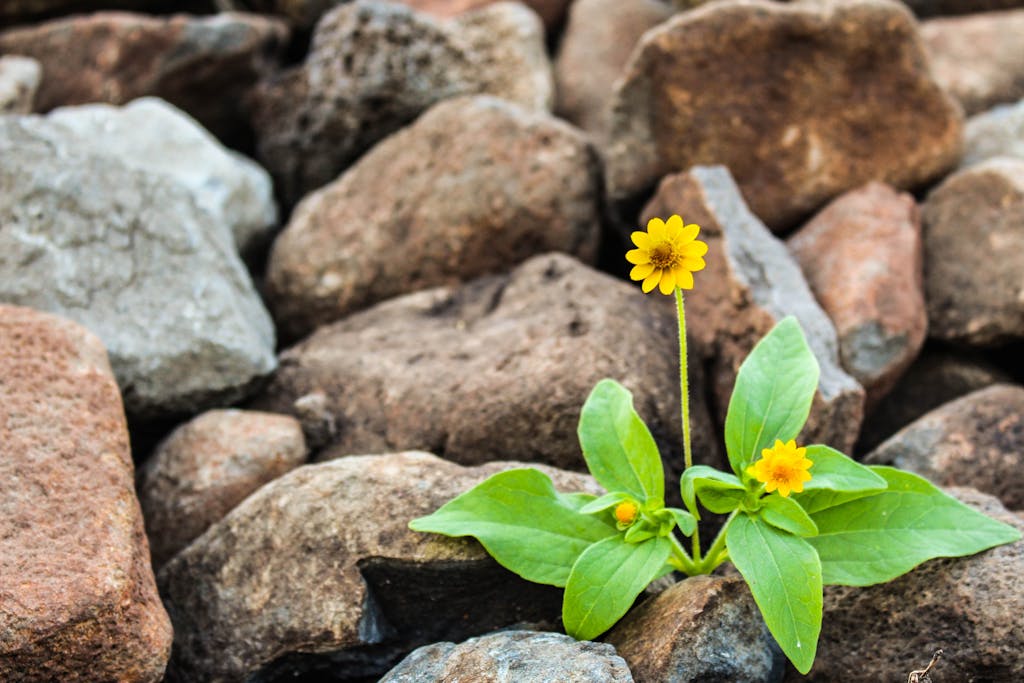
Understanding Resilience: Why It Matters for Mental Health
The capacity to adjust positively in the face of stress, challenges, trauma, or tragedy is known as resilience. It protects against anxiety, depression, and poor coping and is an essential part of mental health (Smith et al., 2019). Resilience is essential for not just surviving but also thriving, as it promotes growth mindsets and helps regulate emotions (Bonanno, 2018). Understanding its subtypes helps you target interventions and build a robust foundation for well-being.
5 Types of Resilience
1. Emotional Resilience
What It Is: Emotional resilience refers to the ability to experience stress and upsetting emotions without being overwhelmed—and to recover without prolonged distress.
Neurobiology: Studies show emotionally resilient people have stronger prefrontal–amygdala connectivity, helping regulate fear and stress responses (Chen et al., 2019).
How to Build It
- Mindfulness-based stress reduction (MBSR): Regular mindfulness enhances emotional regulation skills (Creswell et al., 2017).
- Emotional granularity: Naming emotions precisely (e.g., “frustrated” rather than “bad”) reduces distress (Barrett et al., 2018).
2. Social Resilience
What It Is: This involves relying on relationships—trusted friends, family, communities—for support during hardship.
Why It Matters: Strong social connections reduce the risk of mental illness, promote recovery, and strengthen emotional resilience (Holt-Lunstad et al., 2015).
How to Build It
- Invest in weak and strong ties: Casual conversations matter as much as deep ones (Putnam, 2015).
- Join supportive communities: Volunteering and peer-based groups offer belonging and purpose.
3. Physical Resilience
What It Is: It refers to the body’s capacity to endure stress, maintain health, and recover from illness or fatigue.
Mind–Body Connection: Exercise consistently shows reductions in depression and anxiety (Chekroud et al., 2018). Sleep plays a vital role: poor sleep predictably lowers emotional resilience (Palagini et al., 2019).
How to Build It
- Move daily: Even light activity—walking, yoga—boosts mental health.
- Prioritize sleep hygiene: Regular routine, avoiding screens before bed, and reducing caffeine.
- Nutrition matters: Omega‑3 fatty acids and lean protein support brain health under stress.
4. Cognitive Resilience
What It Is: The ability to adapt, learn, persist, and maintain mental agility when facing cognitive challenges or uncertainty.
Why It Matters: Flexible thinking styles—such as reframing and problem-solving—predict better mental health and offer protection against rumination (Kashdan & Rottenberg, 2010).
How to Build It
- Practice cognitive reappraisal: Challenge automatic negative thoughts like “I can’t” with evidence-based alternatives (Gross & John, 2003).
- Engage your brain: Learning skills (languages, games) stimulates neural plasticity.
- Mindfulness during setbacks: Observe thoughts and drop judgment to enhance flexibility.
5. Spiritual Resilience
What It Is: This type reflects finding meaning, purpose, or transcendence during difficulty, whether through religion, philosophy, or personal values.
Why It Matters: Meaning‑making after trauma correlates with post-traumatic growth (Park, 2017), reducing distress and facilitating recovery (Wortmann & Park, 2019).
How to Build It
- Journal your values and what matters most to you. Reflective writing about purpose promotes spiritual resilience.
- Explore contemplative practices: Meditation, prayer, or nature immersion support connection and meaning.
- Seek shared experiences: Spiritual or faith groups foster communal resilience.
How the 5 Types Interact
Every type supports and strengthens the others. Regular exercise, for example, improves emotional balance and fosters creative thinking by lowering stress (physical resilience). Social support strengthens your cognitive reframing efforts and acts as a buffer against emotional suffering. Social interaction, emotional stability, and cognitive flexibility are all strengthened by spiritual resilience, or the search for meaning. The synergy between types strengthens overall mental health.
Who Can Benefit—and When to Be Cautious
Resilience training can help everyone—from teens building social muscles to adults managing anxiety. But caution is needed if someone is struggling with severe mental illness or trauma; professional guidance is recommended when resilience-building seems overwhelming or ineffective.
Practical Daily Resilience Plan
| Type | Daily Practice |
| Emotional | 5 min morning mindfulness; emotion naming |
| Social | 10-min reach-out with friend; rebuilding relationship |
| Physical | 30-min walk or yoga; 7–8 h sleep |
| Cognitive | Journaling reflections; cognitive reappraisal practice |
| Spiritual | Evening gratitude or meaning journaling; nature time |
Understanding the Topic
Since each of the five forms of resilience has a distinct positive impact on mental health, this article explores further into them. Readers may build a strong foundation on all five levels—physically, emotionally, cognitively, socially, and spiritually—by understanding and fostering each of them. This multifaceted strategy encourages long-term growth and adaptability, according to scientific research.
Conclusion
More than grit is needed to thrive in adversity; a balanced combination of emotional intelligence, connections with others, physical health, mental adaptability, and a purposeful life is needed. You are making an investment in deeper, more long-lasting mental health by learning about the five types of resilience and putting them into practice on a daily basis. Assistance from professionals is available if any step feels too much to handle, and it is a show of strength rather than weakness. Resilience isn’t about never being knocked down—it’s about learning how to build a cushion beneath and bounce forward, wiser and stronger.
References
Barrett, L. F., Gross, J. J., & John, O. P. (2018). Emotional granularity: Cognitive mechanisms and mental benefits. Emotion, 18(4), 529–540.
Bonanno, G. A. (2018). What is resilience? European Journal of Psychotraumatology, 9(Suppl 1), 1500823.
Chen, X., Stanton, R., & Liu, H. (2019). Neural basis of emotional resilience in adolescents. Developmental Cognitive Neuroscience, 39, 100755.
Chekroud, S. R., Gueorguieva, R., Zheutlin, A. B., et al. (2018). Association between physical exercise and mental health. The Lancet Psychiatry, 5(9), 739–746.
Creswell, J. D., Lindsay, E. K., & Moyers, T. B. (2017). How does mindfulness training affect health? Clinical Psychology Review, 51, 62–80.
Gross, J. J., & John, O. P. (2003). Individual differences in emotion regulation. Journal of Personality and Social Psychology, 85(2), 348–362.
Holt-Lunstad, J., Smith, T. B., & Layton, J. B. (2015). Strength of social relationships and mortality risk. PLoS Medicine, 12(7), e1000316.
Kashdan, T. B., & Rottenberg, J. (2010). Psychological flexibility as a fundamental aspect of health. Clinical Psychology Review, 30(7), 865–878.
Park, C. L. (2017). Making sense of the meaning literature. Journal of Clinical Psychology, 73(9), 865–874.
Palagini, L., Gemignani, A., & Manni, R. (2019). Sleep and resilience. Sleep Medicine Reviews, 44, 53–62.
Putnam, R. D. (2015). Bowling alone. Journal of Democracy, 6(1), 65–78.
Smith, B. W., Dalen, J., & Wiggins, K. (2019). The resilience equation. Journal of Traumatic Stress, 30(5), 42–49.
Tang, Y. Y., Ma, Y., Wang, J., et al. (2007). Short-term meditation training improves attention and self-regulation. PNAS, 104(43), 17152–17156.
Trapnell, P. D., & Campbell, J. D. (1999). Private self-consciousness: Rumination vs. reflection. Journal of Personality and Social Psychology, 76(2), 284–304.
Wortmann, J. H., & Park, C. L. (2019). Religion/spirituality and post‑traumatic growth. Psychology of Religion and Spirituality, 11(2), 136–148.