
Is It ADHD or Just High Energy? A Psychology-Based Guide for Parents
Introduction
Many children are energetic. They run, jump, talk, and explore with curiosity. But sometimes, that energy raises questions. Is this just a lively personality? Or could it be something more, like ADHD? For parents, this uncertainty can feel overwhelming. You may notice your child struggles to sit still, focus, or follow instructions. At the same time, you may wonder if you are overthinking normal behaviour. Understanding the difference between high energy and Attention-Deficit/Hyperactivity Disorder (ADHD) is essential. Not for labelling, but for supporting your child’s mental health and development in the right way. In this article, we explore what psychology and research say about ADHD, how it differs from typical high energy, and what signs parents should look for.

What Is ADHD?
ADHD is a neurodevelopmental condition that affects attention, impulse control, and activity levels. It is typically characterised by three core patterns:
- inattention
- hyperactivity
- impulsivity
These behaviours are not occasional. They are persistent, developmentally inappropriate, and interfere with daily functioning. Research shows that ADHD affects around 5–7% of children worldwide and often continues into adolescence and adulthood (Polanczyk et al., 2015; Thomas et al., 2018).
What Does “High Energy” Look Like in Children?
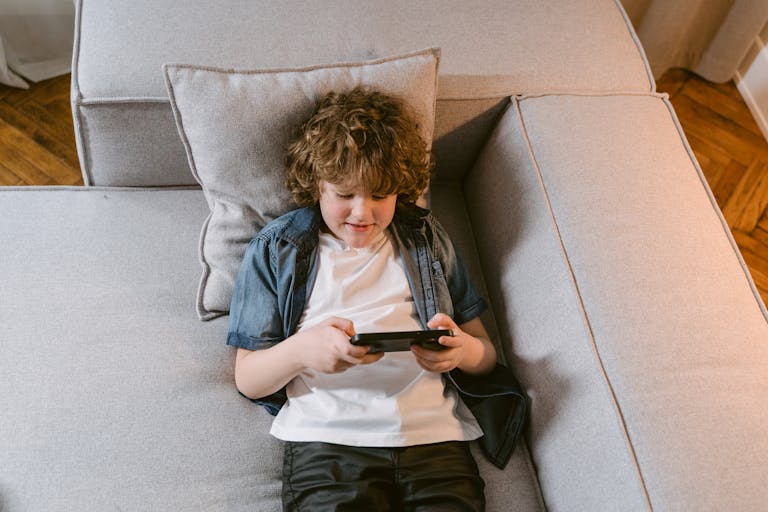
High energy is a normal part of childhood. Children naturally:
- move frequently
- explore their environment
- have bursts of excitement
- struggle with patience at times
This is especially true in younger children. High-energy children can still:
- focus when engaged
- follow instructions with support
- adapt to structure over time
Their behaviour may be intense, but it is usually flexible and context-dependent.
5 Key Differences: ADHD vs High Energy
1. Consistency Across Settings
High energy tends to vary depending on the environment. A child may be active at home but calmer at school or during structured activities. With ADHD, difficulties are present across multiple settings. For example:
- challenges at home, school, and social situations
- similar patterns with different adults
Consistency across environments is a key indicator.
2. Impact on Daily Functioning
High energy may be challenging at times, but it does not usually interfere significantly with daily life. ADHD, on the other hand, often affects:
- learning
- relationships
- emotional wellbeing
Children with ADHD may struggle to complete tasks, follow routines, or maintain friendships.
3. Attention Difficulties
All children can lose focus occasionally. However, children with ADHD show persistent difficulty with attention, even in activities they enjoy. They may:
- become easily distracted
- struggle to complete tasks
- appear not to listen
Research highlights that attention regulation is a core difficulty in ADHD (Faraone et al., 2021).
4. Impulsivity
Impulsivity is more pronounced in ADHD. This may include:
- interrupting frequently
- acting without thinking
- difficulty waiting their turn
While high-energy children may act impulsively at times, they can usually adjust with guidance.
5. Emotional Regulation
Children with ADHD often experience difficulties regulating emotions. They may:
- react intensely
- become frustrated quickly
- struggle to calm down
This is linked to differences in brain development and executive functioning.
The Role of Brain Development
ADHD is not simply about behaviour. It reflects differences in how the brain develops and functions.
1. Executive Functioning
Executive functions include skills such as:
- planning
- organisation
- impulse control
- working memory
Children with ADHD often have delays in these areas. Research shows that executive functioning difficulties are central to ADHD (Barkley, 2015; Willcutt et al., 2017).
2. The Prefrontal Cortex
The prefrontal cortex is responsible for self-regulation and decision-making. In children with ADHD, this area develops more slowly. This can make it harder to:
- manage impulses
- stay focused
- regulate behaviour
3. The Dopamine System
ADHD is also linked to differences in dopamine regulation. Dopamine plays a role in motivation, reward, and attention. This may explain why children with ADHD:
- seek stimulation
- struggle with tasks that feel boring
- respond strongly to immediate rewards
Common Signs That May Suggest ADHD
While every child is different, certain patterns may indicate ADHD rather than high energy. These include:
- persistent difficulty focusing
- frequent impulsive behaviour
- inability to sit still in age-appropriate situations
- difficulty following instructions
- struggles with organisation
- emotional outbursts
Importantly, these signs must be present over time and across settings.
What Can Be Misinterpreted as ADHD?
Not all challenging behaviour is ADHD. Several factors can look similar, including:
1. Developmental Stage
Younger children naturally have shorter attention spans and higher activity levels. What is typical at age 3 may not be typical at age 8.
2. Anxiety
Anxiety can affect concentration and behaviour. A child who seems distracted may actually be worried or overwhelmed.
3. Sleep Difficulties
Lack of sleep can impact attention, mood, and behaviour.
4. Environmental Factors
Changes at home or school can influence behaviour. Stress, transitions, or lack of structure may lead to increased activity or impulsivity.
5. Temperament
Some children are naturally more energetic or sensitive. This is part of their personality, not a disorder.
Why Accurate Understanding Matters for Mental Health
Misunderstanding behaviour can lead to inappropriate responses. A child labelled as “naughty” may actually need support. On the other hand, assuming ADHD without proper assessment can lead to unnecessary concern. Accurate understanding supports:
- appropriate intervention
- emotional wellbeing
- positive self-esteem
Research shows that early identification and support improve long-term outcomes for children with ADHD (Sayal et al., 2018).
How Parents Can Support Their Child
Regardless of whether a child has ADHD or is simply high energy, supportive strategies can make a significant difference.
1. Focus on Strengths
High-energy children often have strengths such as creativity, enthusiasm, and curiosity. Recognising these qualities builds confidence.
2. Create Structure and Routine
Predictable routines help children feel secure. They also support attention and behaviour.
3. Break Tasks Into Smaller Steps
Large tasks can feel overwhelming. Breaking them down makes them more manageable.
4. Use Clear and Simple Instructions
Children respond better to clear guidance. For example:
“Put your shoes by the door” instead of “Get ready.”
5. Support Emotional Regulation
Helping children understand and manage emotions is key. This includes:
- naming feelings
- modelling calm behaviour
- offering reassurance
6. Seek Professional Guidance if Needed
If concerns persist, a professional assessment can provide clarity. This is not about labelling. It is about understanding and support.
When to Seek Further Assessment
It may be helpful to seek professional input if:
- behaviours are persistent and consistent
- they interfere with daily life
- there are concerns from school as well as home
Assessment typically involves input from parents, teachers, and clinicians.
Understanding the Topic
The question of whether a child has ADHD or simply high energy reflects a deeper concern about understanding behaviour. Psychology shows that behaviour is influenced by multiple factors, including brain development, environment, and emotional processes. ADHD is a neurodevelopmental condition with specific patterns and impacts. High energy, on the other hand, is often a normal variation in temperament. Understanding the difference requires looking beyond isolated behaviours and considering consistency, context, and overall functioning. This perspective allows parents to respond with greater clarity and confidence, supporting both development and mental health.
Conclusion
Children are naturally energetic. Movement, curiosity, and excitement are part of healthy development. But when behaviour becomes persistent, intense, and disruptive across different areas of life, it may indicate something more. Understanding the difference between ADHD and high energy is not about labelling children. It is about meeting their needs. With the right understanding, parents can move from uncertainty to clarity. They can support their child in a way that nurtures both their strengths and their mental health. In the end, every child benefits from being seen, understood, and supported for who they are.
References
Barkley, R. A. (2015). Attention-deficit hyperactivity disorder: A handbook for diagnosis and treatment. Guilford Press.
Faraone, S. V., Asherson, P., Banaschewski, T., Biederman, J., Buitelaar, J. K., Ramos-Quiroga, J. A., … Franke, B. (2021). Attention-deficit/hyperactivity disorder. Nature Reviews Disease Primers, 7(1), 1–23.
Polanczyk, G. V., Willcutt, E. G., Salum, G. A., Kieling, C., & Rohde, L. A. (2015). ADHD prevalence estimates across three decades. International Journal of Epidemiology, 43(2), 434–442.
Sayal, K., Prasad, V., Daley, D., Ford, T., & Coghill, D. (2018). ADHD in children and young people. The Lancet Psychiatry, 5(2), 175–186.
Thomas, R., Sanders, S., Doust, J., Beller, E., & Glasziou, P. (2018). Prevalence of attention-deficit/hyperactivity disorder. Pediatrics, 135(4), e994–e1001.
Willcutt, E. G., Doyle, A. E., Nigg, J. T., Faraone, S. V., & Pennington, B. F. (2017). Validity of the executive function theory of ADHD. Biological Psychiatry, 57(11), 1336–1346.