Decision Fatigue and Mental Health: The Hidden Cognitive Drain
Introduction
Every day you make decisions — many more than you realize. Choosing what to eat, how to respond to a text, what to wear, or which task to tackle first — it all adds up. Some researchers estimate that a typical adult makes tens of thousands of decisions each day. This constant pressure to choose isn’t just an inconvenience. It can have real consequences for mental health and psychology.
As choices accumulate, the quality of our decisions can decline and our mental energy can drain. This phenomenon is known as decision fatigue — a cognitive and emotional strain that unfolds quietly yet significantly in daily life. Decision fatigue doesn’t only affect productivity or efficiency. It can influence our mood, stress levels, emotional regulation, and well-being. In a world with never-ending choices and information overload, understanding decision fatigue feels more relevant than ever. In this article, we’ll unpack what decision fatigue really is, explore how it connects to mental health, and examine the science that explains why this cognitive drain matters.
What Is Decision Fatigue?
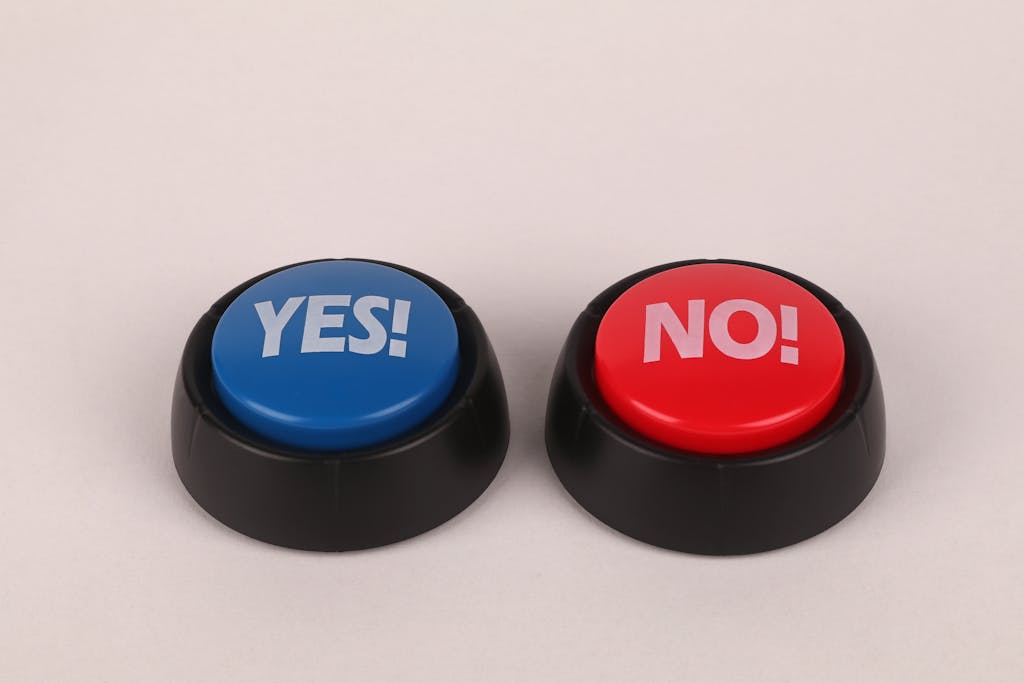
Decision fatigue describes a decline in decision quality and willpower that occurs after extended periods of making choices. In simple terms: the more decisions you make, the harder it becomes to make good decisions — and the more mentally exhausting it feels.
This effect is not just a subjective feeling of tiredness. According to psychological research, it reflects real cognitive changes in the brain’s executive control systems — the parts responsible for planning, reasoning, and self-control. When these systems are overworked, they become less efficient, and your ability to make thoughtful decisions diminishes.
Decision fatigue is sometimes associated with older theories like ego depletion — the idea that self-control draws from a limited pool of mental resources that gets “used up.” While ego depletion has sparked debate in psychology, current research increasingly views decision fatigue as a neurocognitive strain linked to sustained cognitive load, attention demands, and emotional regulation — all of which have implications for mental health.
What the Science Says: Cognitive Load, Mental Fatigue, and Decision Quality
Fewer Good Choices Over Time
When people make many decisions in succession, their cognitive resources begin to show signs of strain. In systematic reviews, decision fatigue has been observed across professions that require continuous choices across long periods, such as healthcare. Researchers found evidence that clinicians under prolonged decision demands make less effortful decisions — relying on simpler choices rather than optimal ones, which is consistent with the idea of a cognitive drain.
In other words, your brain feels it. After many decisions, the mental effort needed to weigh alternatives becomes increasingly costly. You may not notice it consciously, but your decision quality can decline.
Impulse, Avoidance, and Cognitive Shortcuts
As decision fatigue increases, people tend to shift from careful deliberation toward automatic or heuristic processing — mental shortcuts that require less effort. Psychologists describe how this reliance on heuristics can occur when decision tasks are mentally demanding. While heuristics can be efficient, they can also introduce bias, impulsivity, or oversimplified choices.
This link between cognitive fatigue and decision patterns shows that the brain doesn’t simply “get tired” — it adapts by lowering the threshold needed to make a decision. That adaptation can help conserve mental energy, but it can also affect the quality of choices and emotional regulation.
Decision Fatigue and Risk Behavior
Experimental studies on mental fatigue — a related concept — find that when people are mentally tired, they often become more risk-averse and have altered feedback processing. In one study, individuals experiencing mental fatigue tended to prefer safer, lower-risk options and showed differences in neural activity associated with feedback processing, suggesting that mental strain can change how the brain evaluates choices.
This matters because decision fatigue isn’t only about whether you make a decision. It’s about how you make it.
Decision Fatigue and Mental Health
Decision fatigue isn’t just a productivity concern. It carries implications for psychological well-being:
1. Emotional Strain and Stress
Making decisions is closely tied to emotion regulation. As cognitive load increases, so does emotional strain. Decision fatigue can manifest as irritability, indecision, or avoidance — reactions also seen in stress and anxiety. Mental exhaustion from ongoing decisions can tax your emotional energy, reducing your ability to regulate mood and handle daily stressors.
This connection reflects broader psychological models that link cognitive load with emotional dysregulation — where taxing mental processes affect not only thinking but also how emotions are experienced and expressed.
2. Reduced Self-Control and Willpower
Decision fatigue is closely linked to reduced self-control — a psychological capacity vital for resisting impulses, persisting on tasks, and managing emotions. As cognitive energy declines, people may struggle more with self-regulation, leading to behaviors that feel impulsive, avoidant, or inconsistent with long-term goals. This pattern can contribute to feelings of frustration or self-criticism, which in turn feed into stress and anxiety cycles.
3. Daily Functioning and Mental Load
Modern life demands continuous choices — from navigating technology and social media to planning work, relationships, and health goals. This constant stream of decisions contributes to what psychologists call mental load — a psychological burden that can drain cognitive and emotional resources.
The cumulative effect can contribute to psychological exhaustion and even burnout when combined with stress, time pressure, and emotional labor.
Everyday Signs and Experiences of Decision Fatigue
You might experience decision fatigue without realizing it. Common psychological signs include:
- Feeling overwhelmed by small decisions
- Procrastinating on choices you’d normally make easily
- Defaulting to the easiest option rather than the most thoughtful one
- Feeling irritability or cognitive fog after a long day of choices
- Avoiding decisions altogether or deferring them until later
These experiences aren’t just personal quirks — they reflect how your cognitive and emotional systems react to prolonged decision load.
Practical Psychology: How Awareness Improves Well-Being
Recognizing decision fatigue can be empowering. Psychology research suggests several ways to manage cognitive load and protect your mental energy:
Simplifying Choices
Streamlining routine decisions — such as planning meals, outfits, or daily tasks in advance — reduces the cumulative mental burden. Fewer small decisions frees up cognitive energy for more important or emotionally significant decisions.
Prioritizing Meaningful Decisions
Saving your best decision-making capacity for high-impact choices (such as interpersonal issues, long-term planning, or complex problem-solving) can help preserve cognitive and emotional energy for what matters most. Structuring tasks consciously can make a meaningful difference in mental health.
Rest and Reset
Short breaks, mindful pauses, and sleep help the brain recover. Research suggests that the effects of cognitive strain are not inevitable — taking time to replenish mental energy helps restore executive function and reduces emotional exhaustion. This aligns with broader evidence on how rest supports emotion regulation and working memory recovery.
Emotional Regulation Training
Techniques from psychology — such as mindfulness, grounding practices, and emotion regulation skills — help buffer the emotional toll of decision fatigue. Strengthening emotional resilience enables you to handle complex choices with less internal strain.
These strategies don’t eliminate decision-making, but they help you navigate it more healthily.
Conclusion
Decision fatigue is a real and measurable cognitive phenomenon that goes beyond feeling tired or overwhelmed. It reflects how mental and emotional energy can drain over time as we navigate the countless choices life presents. From subtle shifts in risk preference to reduced self-control and emotional strain, research suggests this hidden cognitive drain affects not just how we choose, but how we feel about our choices and ourselves.
Understanding decision fatigue through the lens of mental health and psychology gives us a richer view of how cognitive load shapes not only behavior but emotional well-being. Awareness is the first step. When we recognize the patterns and pressures that contribute to decision fatigue, we can develop strategies to manage mental energy more effectively, protect our emotional reserves, and make decisions with mindful intention rather than unconscious depletion.
Decision fatigue isn’t your flaw. It’s a cognitive reality. And by learning how it works — and how to support your mental energy — you give yourself a chance to make better decisions with greater clarity and psychological balance.
References
Choudhury, N. A., & Saravanan. (2025). An integrative review on unveiling the causes and effects of decision fatigue to develop a multi-domain conceptual framework. Frontiers in Cognition.
Maier, M., Powell, D., Murchie, P., & Allan, J. L. (2025). Systematic review of the effects of decision fatigue in healthcare professionals on medical decision-making. Health Psychology Review.
Pignatiello, G. A., Martin, R. J., & Hickman Jr., R. L. (2018). Decision fatigue: A conceptual analysis. Journal of Health Psychology.
“What Is Decision Fatigue?” The Decision Lab. (n.d.).
(2022). Effects of mental fatigue on risk preference and feedback processing in risk decision-making. Scientific Reports.