Vagus Nerve Stimulation for Mental Health: What the Science Says
Introduction
When most people think about mental health interventions, they picture therapy, medication, or lifestyle changes like exercise and mindfulness. But the human body has another, less obvious route that’s gaining serious interest from psychologists and neuroscientists alike: the vagus nerve — a major pathway connecting brain and body. Though it might sound like a niche physiological concept, the vagus nerve plays a vital role in regulating stress responses, inflammation, and emotional regulation — all of which heavily influence mental health. In recent years, researchers have explored how vagus nerve stimulation (VNS) — sending electrical or other signals through this nerve — may help with conditions like depression, anxiety, and trauma-related disorders. In this article, we’ll explore the psychological foundations of VNS, what the science currently supports, the limitations and misconceptions, and what this means for people seeking evidence-based approaches to mental well-being.
What Is the Vagus Nerve and Why Does It Matter?
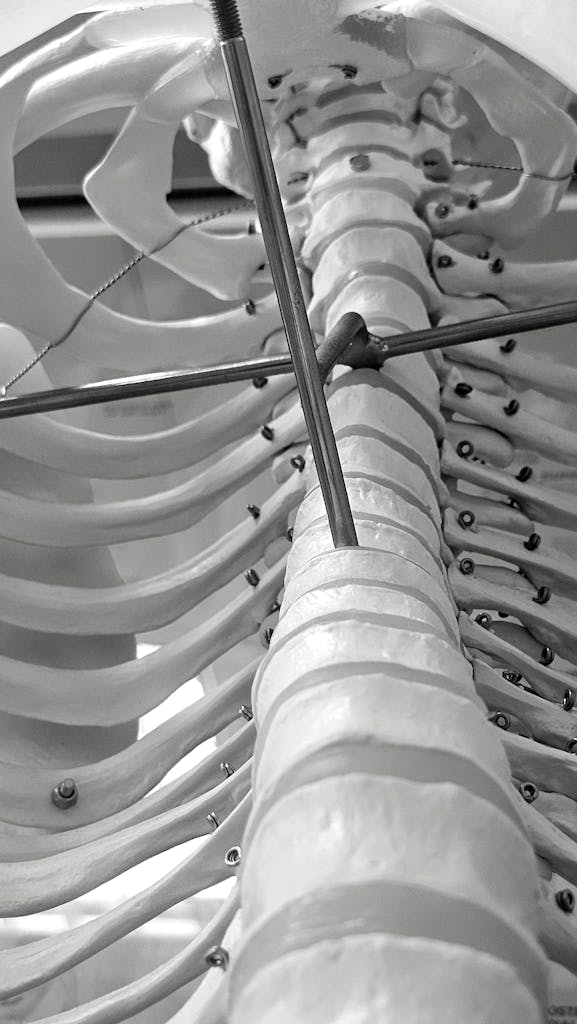
The vagus nerve is the longest cranial nerve in the body, stretching from the brainstem down to the abdomen and innervating major organs including the heart, lungs, and digestive tract. It is a core component of the parasympathetic nervous system — often described as the “rest and digest” system that helps the body calm down after stress and promotes recovery and restoration. From a psychological perspective, the vagus nerve plays a crucial role in how the brain interprets and responds to stress, emotion, and arousal. It helps regulate heart rate variability (a key marker of stress resilience), influences inflammatory responses, and affects brain regions involved in mood and cognition.
Problems with vagal tone (reduced functional activity of the vagus nerve) have been linked with higher stress reactivity, anxiety, difficulty regulating emotions, and vulnerability to depressive symptoms. This means the vagus nerve isn’t just a physical pathway — it’s part of the body-mind interface that shapes how we interpret threat, recover from stress, and maintain psychological balance.
What Is Vagus Nerve Stimulation (VNS)?
Vagus Nerve Stimulation refers to techniques that actively stimulate the vagus nerve to enhance its regulatory influence on the nervous system. Historically, this has involved implanted electrical devices delivering controlled electrical pulses to the nerve in the neck. Over the past decade, researchers have also developed non-invasive VNS (nVNS) methods that stimulate the nerve through the skin, often at the ear (auricular VNS) or the neck, without surgical implantation. These newer techniques have made vagus nerve stimulation more accessible and spurred a wave of research into their psychological effects. Both invasive and non-invasive approaches aim to modulate brain-body signaling, reduce stress responses, and enhance emotional regulation pathways.
What Science Says: Evidence and Applications
1. VNS for Treatment-Resistant Depression
One of the most studied applications of VNS is in treatment-resistant depression, cases where standard treatments like medication and psychotherapy fail to provide relief. Early research shows promise:
- A 5-year follow-up study found that long-term VNS reduced depressive symptom severity in a significant minority of patients with chronic depression or bipolar disorder.
- Larger randomized trials exploring VNS in treatment-resistant major depressive disorder have shown improvements in daily functioning and quality of life measures, suggesting benefits beyond symptom reduction.
However, evidence from controlled trials remains mixed and more research is needed before strong clinical conclusions can be drawn. In other words, VNS may help some people with chronic depression, but it is not yet a universal solution.
2. VNS Paired With Psychotherapy for Trauma
Emerging research suggests that VNS might enhance psychological therapies by increasing the brain’s capacity for emotional learning and fear extinction. Preliminary clinical work indicates that when VNS is paired with prolonged exposure therapy, individuals with treatment-resistant post-traumatic stress disorder experienced significant symptom relief that lasted months after therapy ended.
Animal models support these findings: vagus nerve stimulation administered alongside extinction training reversed fear responses and reduced PTSD-like symptoms in rats, hinting at a mechanism that could help humans with trauma recovery. These results are not definitive but provide compelling early evidence that VNS could augment psychological therapies.
3. Biological Mechanisms: Neuroplasticity and Inflammation
Beyond symptom outcomes, scientists are exploring how VNS exerts its effects biologically:
- Vagus nerve stimulation appears to enhance neuroplasticity — the brain’s ability to adapt and reorganize itself — which is crucial for learning, memory, and recovery from trauma.
- It may also influence inflammatory pathways through the cholinergic anti-inflammatory reflex, potentially reducing systemic inflammation that can worsen mood and stress reactivity.
These physiological insights help explain why VNS shows promise across different conditions and why researchers consider it a neuromodulatory tool with both psychological and biological effects.
What It Means for Mental Health and Psychology
From a psychological standpoint, VNS underscores the idea that mind and body are deeply integrated. Emotional regulation, stress resilience, and mental health are not purely psychological constructs, they’re shaped by neural circuitry, autonomic function, and body signals.
Vagus nerve stimulation plays on this integration, tapping into ancient physiological systems that help the body downregulate stress and support recovery. For many people, improving vagal tone — whether through clinical stimulation or lifestyle practices — could become part of a holistic mental health strategy.
It’s important to note that VNS is not a first-line treatment for most mental health conditions. Rather, it represents:
- A potential option for treatment-resistant cases
- A therapy enhancement tool alongside psychological interventions
- A window into how physiological systems influence emotion and cognition
Practical Psychology Takeaways
Even as research evolves, there are several psychologically grounded points worth taking away:
- The body and nervous system contribute significantly to mental health: Anxiety, mood, stress responses, and resilience are shaped by physiological pathways like the vagus nerve.
- Holistic mental health supports nervous system balance: Practices that enhance parasympathetic activity — such as mindful breathing, relaxation, and social connection — may support vagal tone even without clinical stimulation.
- VNS highlights neuroplasticity as a mechanism of change: Therapies that combine physiological modulation with psychological learning may offer new ways of fostering recovery, especially for trauma.
Psychology is increasingly recognizing that mental health doesn’t reside in the mind alone — it’s embodied in neural networks, bodily feedback loops, and the dynamic interplay between experience and physiology.
Conclusion
Vagus nerve stimulation represents a fascinating frontier at the intersection of neurology, psychology, and mental health science. The research so far suggests that VNS has potential in supporting people with treatment-resistant depression, enhancing trauma therapy outcomes, and modulating biological systems related to stress and emotional regulation. However, the evidence is nuanced, and misconceptions remind us to approach the science critically. Ultimately, vagus nerve stimulation doesn’t replace psychotherapy, medication, or lifestyle-based approaches. Instead, it opens a biologically informed lens through which we can better understand the mind-body mechanisms of mental health and incorporate that understanding into comprehensive care.
References
Albert, U., Maina, G., Aguglia, A., Vitalucci, A., Bogetto, F., Fronda, C., Ducati, A., & Lanotte, M. (2015). Vagus nerve stimulation for treatment-resistant mood disorders: A long-term naturalistic study. BMC Psychiatry, 15, 64. https://doi.org/10.1186/s12888-015-0435-8
Hang, L. V., Zhao, Y.-H., Chen, J.-G., Wang, D.-Y., & Chen, H. (2019). Vagus nerve stimulation for depression: A systematic review. Frontiers in Psychology. https://pubmed.ncbi.nlm.nih.gov/30766497/
Application of noninvasive vagal nerve stimulation to stress-related psychiatric disorders. (2020). Journal. PMC. https://pmc.ncbi.nlm.nih.gov/articles/PMC7563188/
PTSD patients show long-term benefits with vagus nerve stimulation. (2025). ScienceDaily. https://www.sciencedaily.com/releases/2025/05/250505170641.htm
Effects of vagus nerve stimulation on extinction of conditioned fear and PTSD-like symptoms in rats. (2019). Translational Psychiatry. https://pubmed.ncbi.nlm.nih.gov/28892066/
The Vagus Nerve: Role, Dysfunction, and Evidence-Based Stimulation Methods. (2025). Health Science Institute. https://healthscience.institute/2025/05/23/the-vagus-nerve-role-dysfunction-and-evidence-based-stimulation-methods/
How the parasympathetic nervous system influences your mental health. (2025). Verywell Mind. https://www.verywellmind.com/how-the-parasympathetic-nervous-system-influences-your-mental-health-11722960