
Sleep, Diet & Skin: How Lifestyle Affects How You Feel About Your Body (and Yourself)
Introduction
Your body and mind are more connected than most of us realise. The way you eat, move, and rest doesn’t just shape your physical appearance — it directly influences how you feel about yourself. From clearer skin and better sleep to improved self-esteem and emotional balance, lifestyle habits play a major role in shaping mental health and body image.

Understanding the Mind–Body Connection
Our brains constantly interpret signals from the body — hunger, fatigue, tension, or even a breakout — to shape how we feel emotionally. When our body feels nourished, rested, and cared for, we are more likely to feel confident and at ease in our own skin. Research has shown that healthy lifestyle habits, such as quality sleep, nutritious eating, and regular physical activity, are linked to higher self-esteem and lower rates of anxiety and depression (Rollo et al., 2020).
5 Everyday Habits That Shape Your Mind, Mood, and Mental Health
1. Sleep: The Foundation of Emotional Balance
Sleep deprivation does more than cause tiredness. It affects emotional regulation, self-image, and even our perception of attractiveness. A study by Palmer and Alfano (2017) found that poor sleep is associated with greater negative mood and self-critical thoughts. Consistent sleep helps regulate hormones like cortisol, which influences stress and emotional stability. A well-rested brain also makes better lifestyle choices — from eating healthier to engaging in self-care.
2. Nutrition: Feeding the Brain and the Self
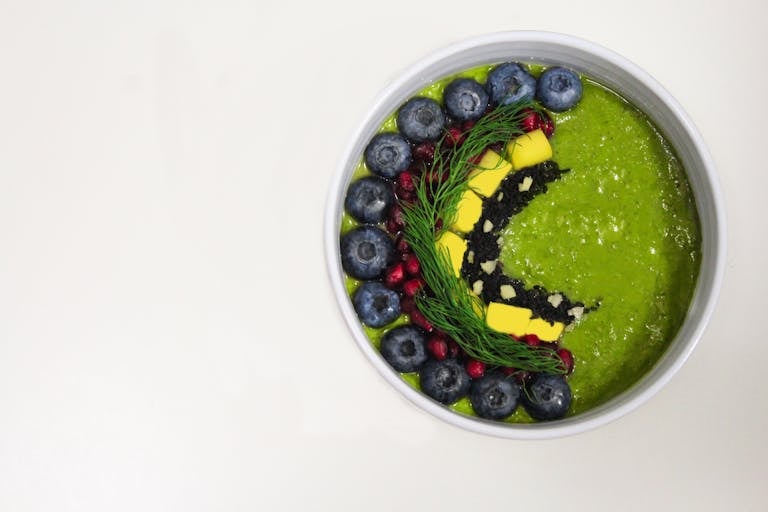
What you eat affects how you think and feel. Diets rich in fruits, vegetables, whole grains, and omega-3 fatty acids are associated with reduced symptoms of depression and anxiety (Opie et al., 2015). Beyond mood, the gut–brain axis — the communication between our digestive system and the brain — plays a key role in regulating emotions. Balanced nutrition can also improve skin health, reducing inflammation and acne, which often impact body confidence.
3. Skin Health and Self-Perception
The skin is our largest organ and one of the most visible. Studies show that people with clearer skin often report higher self-esteem and satisfaction with their appearance (Bowe & Logan, 2011). In contrast, conditions like acne or eczema can lead to body dissatisfaction and social anxiety. Taking care of your skin isn’t just about appearance — it’s an act of self-compassion that reinforces positive body image.
4. Movement: A Pathway to Body Confidence
Exercise is not only about fitness — it’s a way to reconnect with your body. Regular movement improves serotonin and endorphin levels, leading to better mood and self-perception. A review by Rodrigues et al. (2019) found that exercise improves body image and promotes a more positive relationship with one’s physical self. Even gentle activities like yoga or walking can help you feel more grounded and emotionally stable.
5. The Feedback Loop Between Body and Mind
Each of these lifestyle factors — sleep, diet, skin health, and movement — interacts in a feedback loop. Poor diet leads to low energy, which affects motivation to exercise, while lack of sleep increases stress and inflammation, worsening skin and mood. Conversely, making small, consistent improvements in one area can boost others, creating a cycle of self-care that enhances both physical and mental health.
Understanding the Topic: Integrating Mind and Body
To truly feel good in your body, you need to care for it holistically. This means focusing not just on appearance, but on nourishment, rest, and emotional regulation. The concept of embodied self-esteem (Menzel & Levine, 2011) suggests that when individuals feel connected to their bodies, they develop greater self-compassion and acceptance.
Conclusion
Your sleep, diet, and skin health are powerful reflections of how you treat yourself — and how you feel about who you are. Cultivating small daily habits that nurture both mind and body can help you build a more peaceful, confident relationship with yourself. The journey to self-acceptance doesn’t require perfection — only consistent care.
References
Bowe, W. P., & Logan, A. C. (2011). Acne vulgaris, probiotics and the gut–brain–skin axis – back to the future? Gut Pathogens, 3(1), 1–11. https://doi.org/10.1186/1757-4749-3-1
Menzel, J. E., & Levine, M. P. (2011). Embodying experiences and the promotion of positive body image: The example of competitive athletics. Body Image, 8(3), 271–277. https://doi.org/10.1016/j.bodyim.2011.03.003
Opie, R. S., O’Neil, A., Jacka, F. N., Pizzinga, J., & Itsiopoulos, C. (2015). A modified Mediterranean dietary intervention for adults with major depression: Dietary compliance and association with depression outcomes. Nutrients, 7(6), 4814–4830. https://doi.org/10.3390/nu7064814
Palmer, C. A., & Alfano, C. A. (2017). Sleep and emotion regulation: An organizing, integrative review. Sleep Medicine Reviews, 31, 6–16. https://doi.org/10.1016/j.smrv.2015.12.006
Rodrigues, F., Teixeira, D. S., Neiva, H. P., Cid, L., & Monteiro, D. (2019). The bright and dark sides of motivation as predictors of enjoyment, intention, and exercise persistence. Scandinavian Journal of Medicine & Science in Sports, 30(4), 787–800. https://doi.org/10.1111/sms.13617
Rollo, M. E., Burrows, T. L., Vincze, L. J., Harvey, J., & Collins, C. E. (2020). Diet quality is associated with mental health and well-being in adults: A systematic review of observational studies. BMC Public Health, 20(1), 1–15. https://doi.org/10.1186/s12889-020-09381-3