
Positive Body Image & Self-Esteem: Steps to Build More Body Love, Less Self-Criticism
Introduction
Many people suffer from body dissatisfaction in today’s society, where beauty standards are frequently defined by social media and cultural forces. These difficulties have an effect on a person’s self-esteem and general mental health in addition to how they feel about their appearance. Developing a healthy body image and learning to stop criticising yourself are crucial components of wellbeing. Positively, studies conducted in the last ten years have shed light on the connection between body image and self-esteem as well as ways to promote more positive self-perceptions.
What Is Positive Body Image?
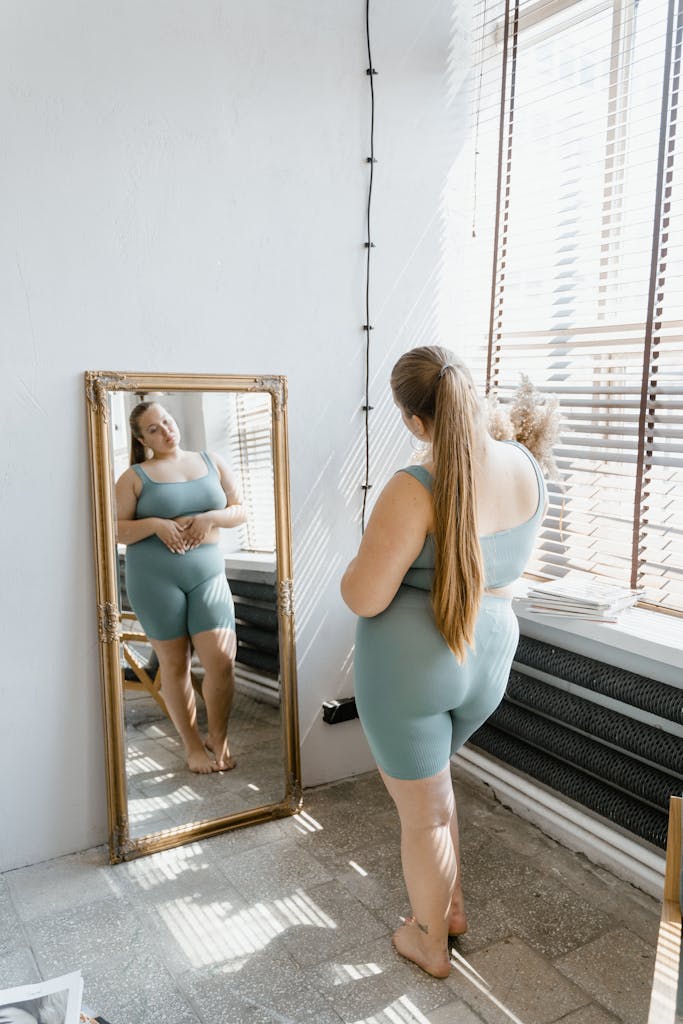
Being satisfied with one’s appearance is only one aspect of having a positive body image, it also involves accepting appreciating and respecting the body despite its flaws. Then, positive body image according to Tylka and Wood-Barcalow (2015), is a multifaceted concept that encompasses protective filtering of negative cultural norms as well as body acceptance and admiration. People who have a positive body image are more likely to feel connected to the functions of their body and are less inclined to internalise unrealistic cultural expectations.
Why Body Image and Self-Esteem Matter for Mental Health
Self-esteem and body image are closely related. When someone have a positive body image it increases resilience and psychological well-being, however, having a negative body image is known to increase the risk of depression, anxiety, and disordered eating (Alleva et al., 2015). Higher body appreciation is associated with more life happiness and less self-criticism, according to a major study (Homan & Tylka, 2018). This implies that cultivating bodily love directly improves mental health results.
Adolescents and emerging adults are especially at risk. According to Rodgers et al. (2020), exposure to media that emphasises beauty was associated with decreased self-esteem and more body dissatisfaction in young people. Knowing this link might assist direct therapies that encourage better coping mechanisms and lessen the negative loop of criticism and comparison.
5 Steps to Build Positive Body Image and Self-Esteem
1. Practise Self-Compassion
Self-compassion reduces harsh self-criticism, replacing it with kindness and acceptance. As research shows that self-compassion is associated with lower body dissatisfaction and higher body appreciation (Braun et al., 2016). Practising self-compassion may include mindfulness, affirmations, or recognising common humanity in struggles with appearance.
2. Focus on Body Functionality
Shifting focus from “how my body looks” to “what my body can do” helps build gratitude and appreciation. Alleva et al. (2015) demonstrated that interventions promoting body functionality significantly improved body satisfaction and reduced negative body talk.
3. Limit Appearance-Based Social Media Use
Constant exposure to curated, idealised images can fuel comparison and dissatisfaction. A study by Fardouly et al. (2018) highlighted that reducing appearance-focused social media use correlates with improved self-esteem and body satisfaction. Setting digital boundaries creates mental space for healthier self-image.
4. Practise Gratitude Toward the Body
Homan & Tylka found that (2018) body-focused gratitude exercises—such as writing down things you appreciate about your body each day— are enhancing your body image and self-esteem. Simple daily practices build long-term resilience against self-criticism.
5. Surround Yourself with Body-Positive Influences
Social support plays a vital role in body image. Friends, communities and online spaces that embrace diversity and authenticity in appearance reduce internalised body pressures (Rodgers et al., 2020). Choosing body-positive influences fosters acceptance and self-love.
Beyond the Individual: Cultural and Gender Differences
No two people battle with body image in the same way. People are seeing their bodies in certain ways because they are reacting to their cultural background, gender identity, and social expectations. Research indicates that while men are increasingly under pressure to be more muscular and active, women express higher levels of body dissatisfaction than men (Griffiths et al., 2017). Understanding these variations enables more inclusive methods of enhancing self-esteem and mental health in a variety of demographics.
Positive Psychology Approaches
Developing a positive body image requires self-acceptance, appreciation, and strengths, all of which are emphasised by positive psychology. Positive psychology-based interventions, including journaling about body acceptance or mindfulness exercises, are useful for lowering self-criticism and enhancing wellbeing (Tylka & Wood-Barcalow, 2015). These methods bring about long-lasting transformation by emphasising what makes us thrive rather than what we lack.
Understanding the Topic
It’s critical to understand the significance of body image in mental health before implementing significant changes. How we feel and think about our bodies shapes our self-concept. Any perceived “flaw” can undermine confidence and happiness when self-esteem is excessively linked to appearance. Conversely, people are more able to withstand social demands when they respect their body’s strength, health, or individuality. The first step to developing more self-acceptance and wellbeing is learning about this relationship.
Conclusion
Achieving “perfection” is not the goal of cultivating a healthy body image and increased self-esteem. It’s about changing the emphasis from criticism to admiration, from outward ideals to internal value. According to research, mental health results can be significantly enhanced by developing self-compassion, appreciating bodily functions, and reducing negative influences. People can increase their resilience, joy, and peace of mind in addition to strengthening their self-esteem by cultivating body love and decreasing self-criticism.
References
Alleva, J. M., Martijn, C., Van Breukelen, G. J., Jansen, A., & Karos, K. (2015). Expand your horizon: A programme that improves body image and reduces self-objectification by focusing on body functionality. Body Image, 15, 81–89. https://doi.org/10.1016/j.bodyim.2015.07.001
Braun, T. D., Park, C. L., & Gorin, A. (2016). Self-compassion, body image, and disordered eating: A review of the literature. Body Image, 17, 117–131. https://doi.org/10.1016/j.bodyim.2016.03.003
Fardouly, J., Pinkus, R. T., & Vartanian, L. R. (2018). The impact of appearance comparisons made through social media, traditional media, and in person in women’s everyday lives. Body Image, 20, 31–39. https://doi.org/10.1016/j.bodyim.2016.11.002
Griffiths, S., Murray, S. B., & Touyz, S. (2017). Disordered eating and the muscular ideal. Journal of Eating Disorders, 5(1), 1–10. https://doi.org/10.1186/s40337-017-0170-7
Homan, K. J., & Tylka, T. L. (2018). Appearance-based exercise motivation moderates the relationship between exercise frequency and positive body image. Body Image, 24, 204–210. https://doi.org/10.1016/j.bodyim.2018.02.002
Rodgers, R. F., Slater, A., Gordon, C. S., McLean, S. A., Jarman, H. K., & Paxton, S. J. (2020). A biopsychosocial model of social media use and body image concerns, disordered eating, and muscle-building behaviors among adolescent girls and boys. Journal of Youth and Adolescence, 49(2), 399–409. https://doi.org/10.1007/s10964-019-01190-0
Tylka, T. L., & Wood-Barcalow, N. L. (2015). What is and what is not positive body image? Conceptual foundations and construct definition. Body Image, 14, 118–129. https://doi.org/10.1016/j.bodyim.2015.04.001