Connection Over Distraction: Responsive Tantrum Strategies That Work
Introduction
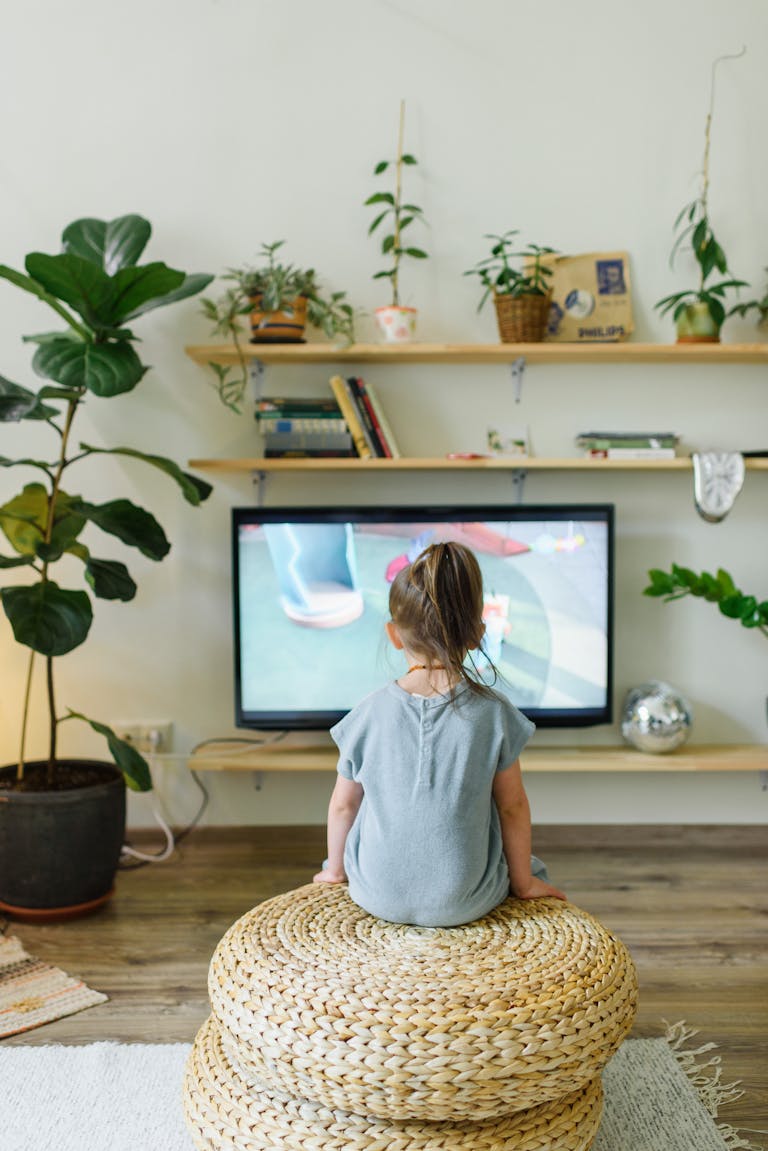
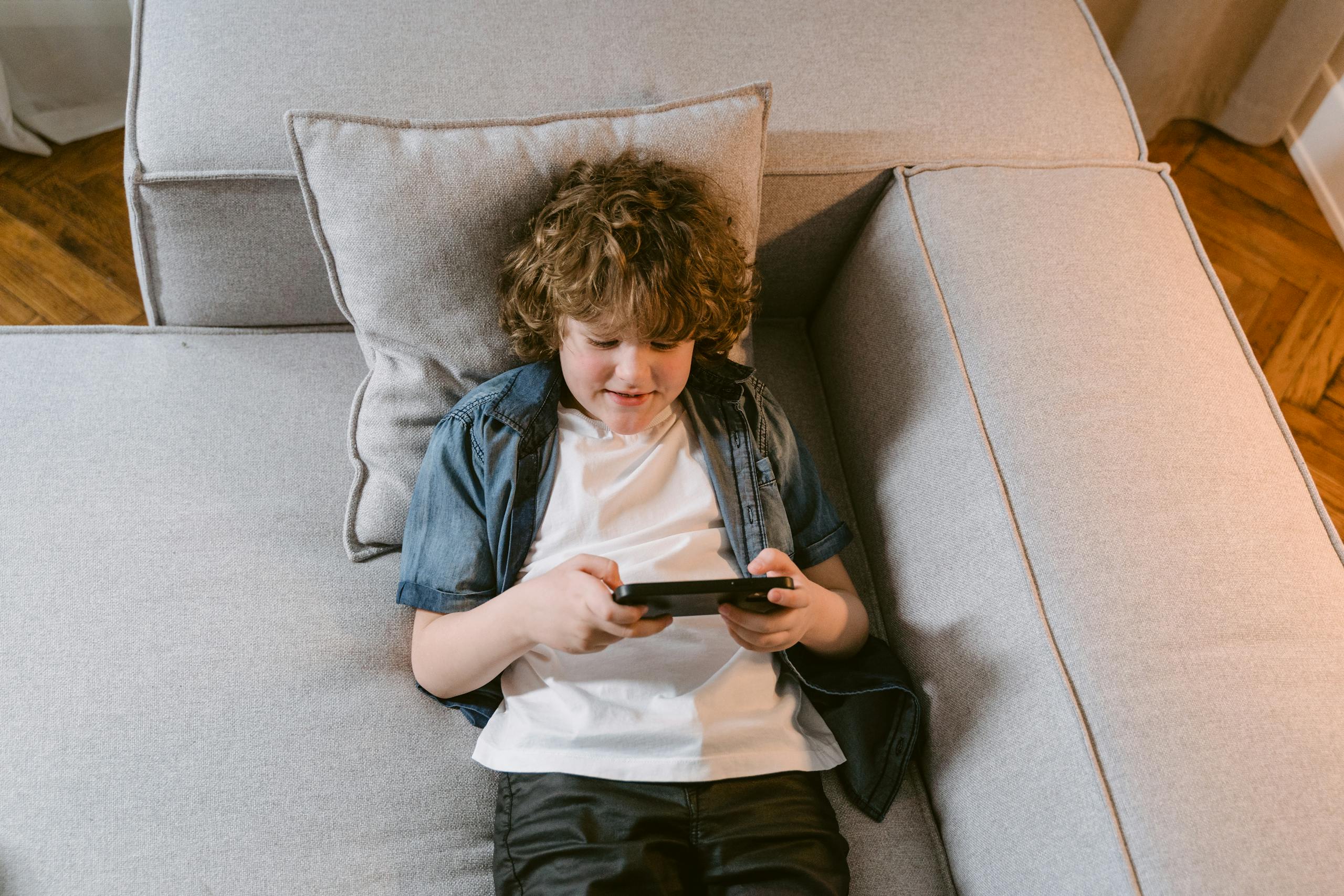
Reaching for a tablet or smartphone during a toddler tantrum is a common reflex in many households. It immediately puts an end to the tears and brings peace back. However, there is a hidden cost to this practical strategy, which academics refer to as a “digital dummy“. According to recent research, children’s emotional development and long-term mental health are adversely harmed when they use screens to control tantrums (Konok et al., 2024). It deprives children of the exact opportunities they require to develop self-control, focus, and trust in interactions with carers. In this article, we explore why responsive, connection-based strategies outperform distractions, what the latest research says, and how parents can foster emotional resilience instead.

Why Screens Aren’t the Answer
Although they can stop tantrums, screens don’t promote emotional development. When a child is experiencing emotional pain, giving them a technology eases their discomfort, but it doesn’t teach them how to process, understand, or cope. Children eventually discover that external distraction, rather than reflection or caregiving connection, is the most effective way to deal with strong emotions. Poor emotion management, elevated anxiety, and limited independence are the results of this blocked learning.
What the Research Reveals
Digital Pacifiers Impair Emotional Control
A study published in Frontiers in Child and Adolescent Psychiatry tracked over 300 children aged 2–5 and found that frequent use of devices to calm tantrums led to significantly poorer anger management and lower effortful control a year later (Konok et al., 2024).
A Vicious Cycle of Dependency
Kids showing temperament-based anger were more likely to receive devices, reinforcing tantrum behaviour and reliance on screens over time (Konok et al., 2024).
Screens Limit Growth Opportunities
By interrupting emotional expression, screens prevent neural pathways involved in frustration tolerance and self-regulation from developing (Fitzpatrick et al., 2023).
5 Connection-Based Tantrum Strategies
1. Emotion Coaching
Stay close and name what’s happening—“I see you’re furious because we left the park.” This simple act of empathy builds emotional awareness and trust (Gottman et al., 2015).
2. Teach Self-regulation Skills
Help your child calm their nervous system. Guide them through deep breaths or counting. These small practices strengthen their ability to self-soothe (Zelazo & Lyons, 2012).
3. Set Calm Boundaries
Make what’s acceptable clear: “You can shout here, but not hit.” Use a gentle voice to communicate safety, not punishment.
4. Model Presence
Simply holding a child and being emotionally available during a meltdown communicates security and builds neural resilience.
5. Co-Engage With Screens
If technology is used, use it wisely. Watch together, talk about what you see, and make it a relationship-building moment (Nathanson et al., 2014).
Parenting Programs That Make a Difference
Tuning In to Kids (TIK)
This program educates parents on empathy, emotional responsiveness, and connection—and it’s been shown to significantly reduce tantrums and improve emotion regulation.
Parent–Child Interaction Therapy (PCIT)
PCIT empowers parents with praise-based reinforcement skills and improved emotional attunement, reducing both aggressive behaviour and parental stress.
Parent Management Training (PMT)
PMT uses behavioural coaching to enhance positive interactions and implement non-coercive discipline, showing lasting improvements in child behaviour and caregiver wellbeing.
A Practical Plan for Change
Step 1: Observe Patterns
Journal when and why screens are used. Notice feelings—yours and your child’s.
Step 2: Prepare Alternatives
Gather tools: breathing prompts, cuddly toys, emotion-coaching scripts.
Step 3: Practice Connection
When tensions arise, stay near, name the emotion, offer calm strategies, and hold space without rushing.
Step 4: Reflect and Celebrate
After calm, talk with your child: “You took deep breaths—that was brave!” Positive reinforcement builds confidence and emotional skill.
Understanding the Topic
The issue isn’t about blaming busy parents—it’s about understanding how seemingly helpful solutions can backfire. What begins as a temporary solution develops into a routine that destroys the parent-child attachment and impairs a child’s capacity to manage emotions. Real-time guidance, not avoidance, is essential for emotional development, and realising this is the first step towards making changes.
Conclusion
Distractions from technology can prevent tantrums, but they can impede emotional development. By prioritising emotional support, empathy, and presence over technology, we provide kids the tools they need for long-term mental health. More than just managing tantrums, these moments of connection offer chances to develop mental strength, resiliency, and trust. Let’s lean into connection, not retreat into distractions.
References
Konok, V., Fitzpatrick, C., & colleagues. (2024). Kids given “digital pacifiers” to calm tantrums fail to learn how to regulate emotions. Frontiers in Child and Adolescent Psychiatry. https://doi.org/10.3389/frcha.2024.1276154
Fitzpatrick, C., Garon-Carrier, G., Lemelin, J. P., & Boivin, M. (2023). Preschool screen time and temperament: Links with anger/ frustration during the COVID‑19 pandemic. Pediatric Research, 93(1), 47–56. https://doi.org/10.1038/s41390‑023‑02485‑6
Gottman, J. M., Katz, L. F., & Hooven, C. (2015). Meta‑emotion: How families communicate emotionally. Routledge.
Nathanson, A. I., Wilson, B. J., & Valkenburg, P. M. (2014). Family media use and media literacy. In D. A. Gentile (Ed.), Media Psychology (pp. 319–333). Routledge.
Zelazo, P. D., & Lyons, K. E. (2012). The potential benefits of mindfulness training in early childhood: A developmental social‑cognitive neuroscience perspective. Child Development Perspectives, 6(2), 154–160. https://doi.org/10.1111/j.1750‑8606.2012.00241.x
Parent–Child Interaction Therapy. (n.d.). In Wikipedia. Retrieved from https://en.wikipedia.org/wiki/Parent%E2%80%93child_interaction_therapy
Parent Management Training. (n.d.). In Wikipedia. Retrieved from https://en.wikipedia.org/wiki/Parent_management_training