Body Image and Mental Health: How to Build a Healthier Relationship with Your Body
Introduction
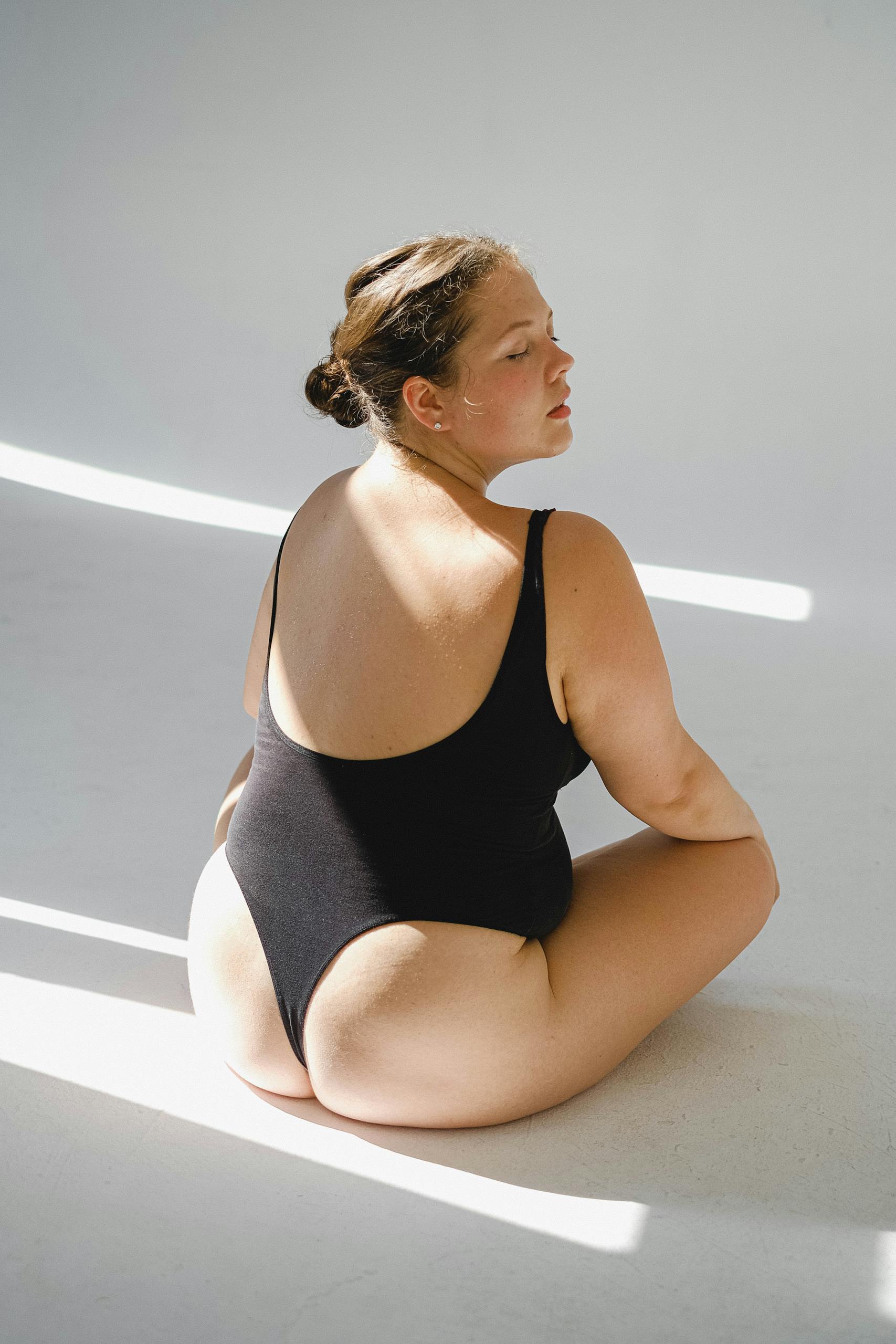
Body image is no longer just a surface-level issue in a society full of unrealistic beauty standards. Our perception of our body has a direct effect on our mental health, affecting everything from depression and anxiety to self-esteem. However, a lot of us struggle in silence with comparison, self-criticism, and shame related to our appearance.
Achieving the “perfect” figure isn’t the goal of developing a healthier relationship with your body. It’s about developing compassion, respect, and acceptance for oneself. In this article, we’ll explore the link between body image and mental health and share practical ways to nurture a positive self-image grounded in well-being.
What Is Body Image, and Why Does It Matter?
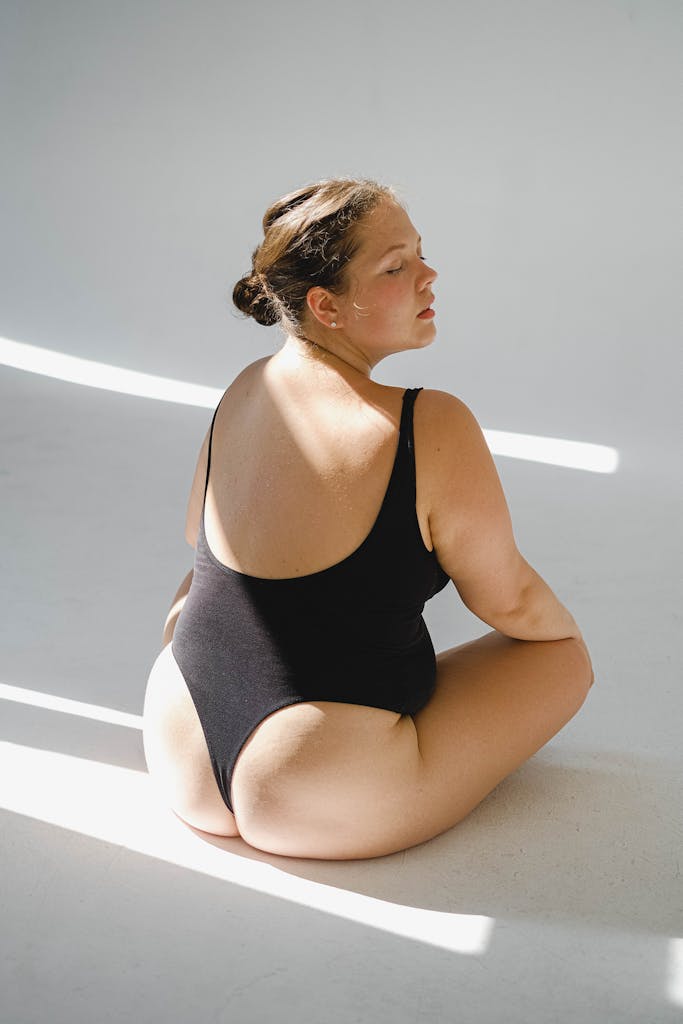
Our thoughts, feelings, and ideas regarding our physical appearance are referred to as our body image. It influences our self-perception and how we think other people see us. Distorted body image can lead to serious mental health issues such as social anxiety, depression, and eating disorders (Griffiths et al., 2018).
But why is it so important? Regardless of physical body size or shape, research indicates that poor psychological functioning is associated with negative body image (Alleva et al., 2015). Our mental health deteriorates when we seek to achieve unachievable beauty standards or continuously critique ourselves. It creates a cycle of dissatisfaction that feeds stress and erodes self-worth. On the other hand, cultivating a positive body image can act as a protective factor, supporting greater resilience, emotional stability, and overall life satisfaction (Andrew et al., 2016).
The Impact of Body Image on Mental Health
Mental health and body image are closely linked to one another. According to Perloff (2014), those who are unhappy with their bodies are more likely to suffer from mood disorders like anxiety and depression. Social media use exacerbates these feelings by promoting curated, often edited versions of reality. It’s easy to compare your body to someone else’s highlight reel and feel like you fall short.
According to Tiggemann and Slater (2014), frequent exposure to appearance-focused content increases self-objectification, which is the tendency to view our bodies from an outsider’s perspective. When we approach our bodies as something to be evaluated rather than as components of who we are, this change may increase feelings of worry, shame, and detachment from our physical selves. Long-term, these feelings can chip away at mental health, creating a constant inner dialogue of not being “good enough.”
How to Build a Healthier Relationship with Your Body
Shifting toward body acceptance is not always easy, but it is possible. Let’s explore several evidence-based practices that can help you reconnect with your body in a more compassionate and supportive way.
1. Practice Self-Compassion
Self-compassion involves treating yourself with kindness when you struggle, fail, or feel inadequate (Neff, 2011). Instead of criticizing your appearance, try speaking to yourself the way you would comfort a friend. Research has shown that self-compassion helps reduce body dissatisfaction and disordered eating behaviours (Braun et al., 2016).
2. Diversify Your Social Media Feed
If you constantly see the same body type on your feed, you might begin to believe that’s the standard. Following accounts that promote body diversity, health at every size, and self-love can broaden your perspective and help normalize all body shapes and sizes (Cohen et al., 2019).
3. Move for Joy, Not Punishment
Shift your mindset around exercise. Rather than viewing it as a way to “fix” your body, focus on activities that bring you joy and make you feel alive. Movement should be a celebration of what your body can do, not a punishment for what you’ve eaten.
4. Challenge Negative Thoughts
Cognitive behavioural techniques encourage us to question harmful beliefs. When you notice self-critical thoughts, pause and ask yourself: “Is this thought helpful? Is it based on facts or assumptions?” Over time, this practice can help you break free from unhelpful thought patterns.
5. Gratitude for Your Body
Regularly reflect on the things your body allows you to do. Walking, hugging loved ones, laughing, creating. Focusing on function rather than appearance nurtures respect and gratitude for your body as it is (Diedrichs et al., 2015).
The Role of Mindfulness in Body Acceptance
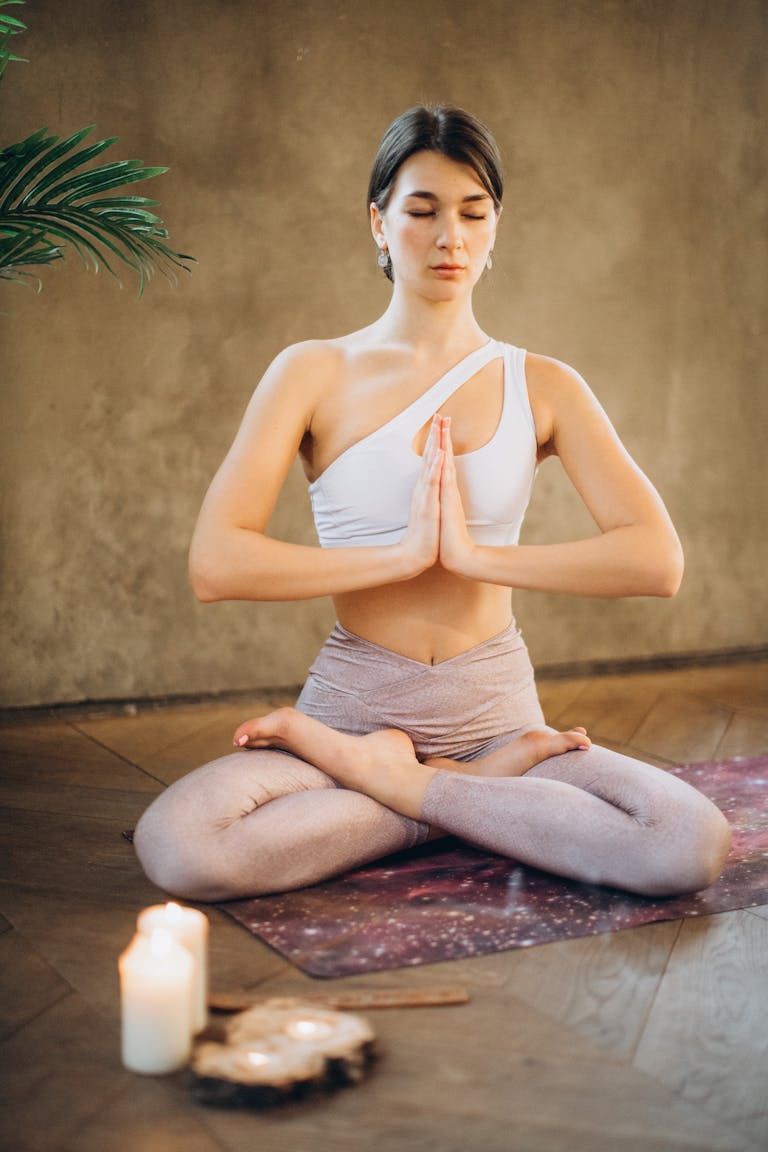
Another effective strategy for promoting a positive body image is mindfulness. When we practice mindfulness, we become more aware of our thoughts and feelings without judgment. This enables us to gently refocus our attention when we catch ourselves talking negatively to ourselves.
According to a study by Alberts et al. (2014), mindfulness practices greatly enhanced self-compassion and decreased body dissatisfaction. We may reduce our tendency to over-identify with negative body image thoughts by remaining in the moment, paying attention to our bodies, and enjoying the present.
Why This Matters for Mental Health
Negative body image affects more than just one’s suffering. According to Jackson et al. (2016), they are linked to mental health issues like eating disorders and depression as well as social disengagement and elevated stress. Our interactions with the outside world are affected when we feel unworthy due to our appearance.
Enhancing one’s body image is crucial for mental health and is not a superficial work. Accepting your body can help you feel better about yourself, reduce anxiety, and become more resilient to social pressures.
Conclusion
How we feel about ourselves and navigate life is influenced by our relationship with our bodies. Although society may promote limited standards of beauty, we can foster compassion and body acceptance.
We can progressively change how we see ourselves by cultivating self-kindness, selecting positive media, moving joyfully, and using mindfulness. The goal isn’t to love every part of your appearance every day but to develop a respectful, supportive connection with your body—one that enhances your mental health and helps you live more fully. Body image is not just about how you look. It’s about how you feel, how you treat yourself, and how you protect your mental health.
References
Alberts, H. J. E. M., Thewissen, R., & Raes, L. (2014). Dealing with problematic eating behaviour. The effects of a mindfulness-based intervention on eating behaviour, food cravings, dichotomous thinking and body image concern. Appetite, 58(3), 847-851.
Alleva, J. M., Martijn, C., Van Breukelen, G. J., Jansen, A., & Karos, K. (2015). Expand your horizon: A programme that improves body image and reduces self-objectification by training women to focus on body functionality. Body Image, 15, 81-89.
Andrew, R., Tiggemann, M., & Clark, L. (2016). Positive body image and young women’s health: Implications for sun protection, cancer screening, weight loss, and alcohol consumption behaviours. Journal of Health Psychology, 21(1), 28-39.
Braun, T. D., Park, C. L., & Gorin, A. (2016). Self-compassion, body image, and disordered eating: A review of the literature. Body Image, 17, 117-131.
Cohen, R., Fardouly, J., Newton-John, T., & Slater, A. (2019). #BoPo on Instagram: An experimental investigation of the effects of viewing body positive content on young women’s mood and body image. New Media & Society, 21(7), 1546-1564.
Diedrichs, P. C., Atkinson, M. J., Steinsbekk, S., & Løvstad, M. (2015). Exercise interventions for body image. Current Opinion in Psychology, 9, 14-18.
Griffiths, S., Hay, P., Mitchison, D., Mond, J., McLean, S. (2018). Sex differences in the relationships between body dissatisfaction and psychological distress. Journal of Psychosomatic Research, 108, 107-113.