Mindfulness for Anxiety: 5 Practical Techniques to Stay Calm and Present
Introduction
Millions of individuals worldwide suffer from anxiety, which interferes with daily living and mental health. Although there are other therapeutic approaches, mindfulness has become widely acknowledged as an efficient tool for anxiety management. The practice of mindfulness involves accepting and focusing on the here and now without passing judgment (Kabat-Zinn, 2015). Research indicates that practicing mindfulness can help improve emotional regulation, lessen anxiety symptoms, and improve mental health in general (Goldberg et al., 2018). This article examines how mindfulness reduces anxiety and offers helpful methods for implementing mindfulness in day-to-day activities.
Understanding Anxiety and Its Impact on Mental Health
Although anxiety is a normal stress reaction, persistent anxiety can become overwhelming and disrupt day-to-day activities. Anxiety disorders rank among the most prevalent mental health issues worldwide, according to the World Health Organisation (2021). Some of the symptoms are excessive worry, restlessness, difficulty focusing, and physical symptoms including shortness of breath or a fast heartbeat (American Psychiatric Association, 2017).
By directing attention away from upsetting thoughts and towards the here and now, mindfulness provides a simple, non-invasive method of managing anxiety. Studies have demonstrated the considerable reduction of symptoms associated with anxiety and stress-related diseases by mindfulness-based interventions (MBIs), including Mindfulness-Based Cognitive Therapy (MBCT) and Mindfulness-Based Stress Reduction (MBSR) (Hofmann & Gomez, 2017).
The Science Behind Mindfulness and Anxiety Reduction
According to neuroscientific research, practicing mindfulness changes the parts of the brain linked to stress and anxiety management. Other studies using functional magnetic resonance imaging (fMRI) have found that mindfulness reduces activity in the brain’s fear center, the amygdala, while strengthening the prefrontal cortex, which is in charge of impulse control and logical thought (Tang, Hölzel, & Posner, 2015).
According to a meta-analysis by Goldberg et al. (2018), MBIs reduce rumination and promote emotional regulation, which reduces anxiety symptoms. Furthermore, it has been demonstrated that mindfulness reduces cortisol levels, the stress hormone, enabling people to react more resiliently to situations that cause anxiety (Creswell & Lindsay, 2014).
5 Practical Mindfulness Techniques to Manage Anxiety
1. Mindful Breathing
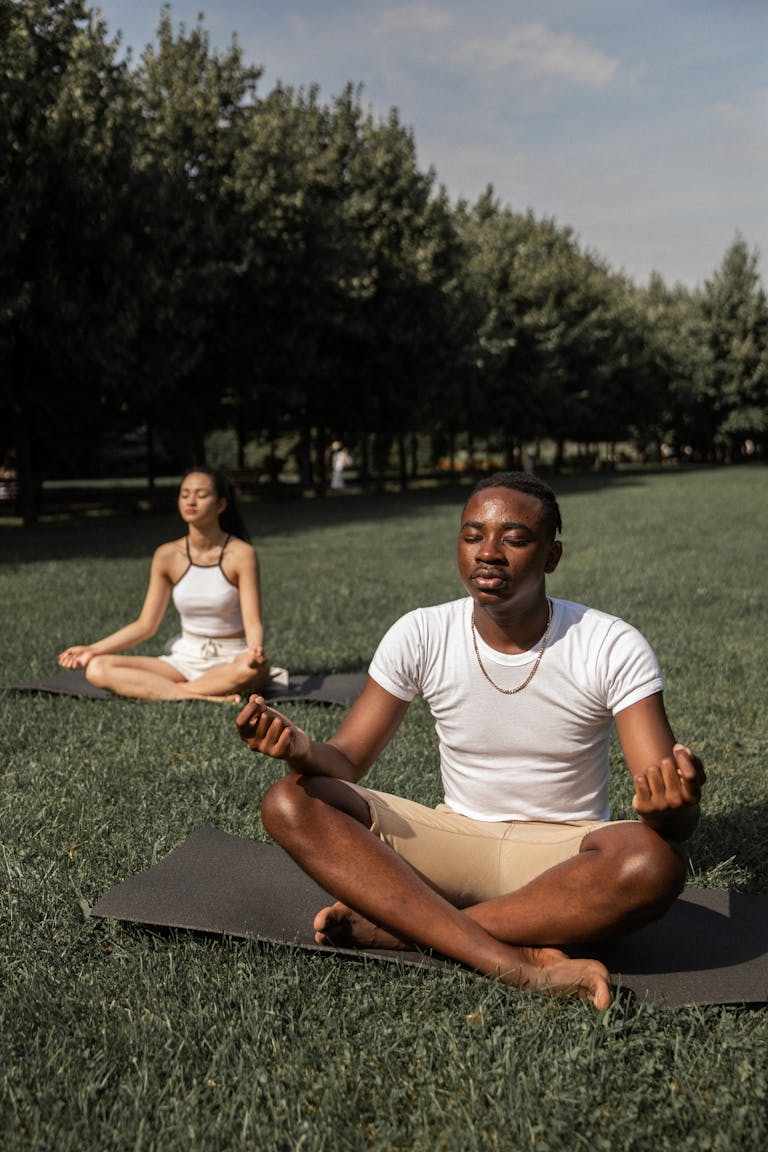
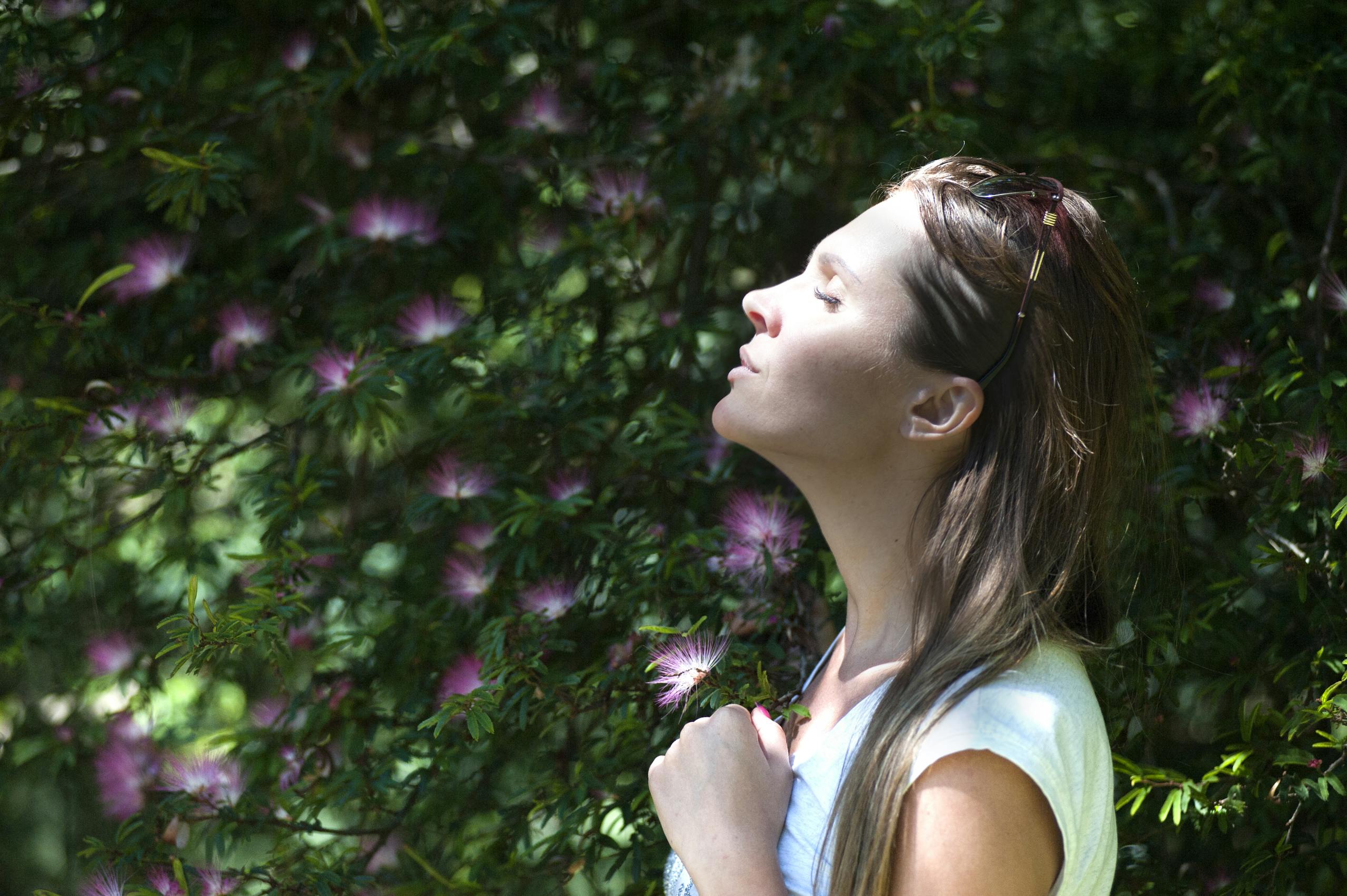
One of the simplest and most effective mindfulness practices is mindful breathing. This technique involves focusing on the breath as it moves in and out of the body. A study by Zeidan et al. (2010) found that breath-focused mindfulness meditation significantly reduces anxiety levels by promoting relaxation and improving attentional control.
How to Practice:
- Sit in a comfortable position and close your eyes.
- Take a slow, deep breath through your nose, counting to four.
- Hold your breath for a moment, then slowly exhale through your mouth.
- Focus on the sensation of the breath and gently bring your attention back when your mind wanders.
2. Body Scan Meditation
Body scan meditation helps increase awareness of physical sensations and releases tension. Research by Schuman-Olivier et al. (2020) suggests that body scan meditation reduces somatic symptoms of anxiety, such as muscle tightness and headaches.
How to Practice:
- Lie down or sit in a quiet space.
- Close your eyes and focus on different parts of your body, starting from your toes and moving upward.
- Notice any tension or discomfort, and breathe into those areas to promote relaxation.
3. Grounding Techniques
Grounding techniques use the five senses to bring attention to the present moment, helping to break the cycle of anxious thoughts. Studies indicate that grounding exercises improve emotional stability and decrease panic symptoms (Vinci et al., 2014).
How to Practice (5-4-3-2-1 Method):
- Identify five things you can see.
- Recognize four things you can touch.
- Notice three things you can hear.
- Acknowledge two things you can smell.
- Focus on one thing you can taste.
4. Mindful Walking
Mindful walking combines movement with awareness, allowing individuals to focus on the physical sensations of walking rather than anxious thoughts. A study by Gotink et al. (2016) found that mindful walking reduces anxiety and enhances overall well-being.
How to Practice:
- Walk slowly and deliberately, focusing on each step.
- Pay attention to the feeling of your feet touching the ground.
- Observe the rhythm of your breath and synchronize it with your steps.
5. Loving-Kindness Meditation (LKM)
Loving-kindness meditation involves directing positive thoughts and compassion toward oneself and others. Research by Fredrickson et al. (2017) suggests that LKM reduces anxiety by increasing feelings of social connectedness and self-compassion.
How to Practice:
- Sit comfortably and close your eyes.
- Repeat phrases such as, “May I be happy, may I be healthy, may I be free from suffering.”
- Gradually extend these wishes to loved ones and eventually to all living beings.
Understanding the Role of Mindfulness in Long-Term Anxiety Management
Being mindful is a long-term approach to anxiety management, not an immediate solution. People who regularly practice mindfulness are better equipped to manage uncertainty and are less reactive to stressors because it rewires the brain (Hölzel et al., 2011). Resilience, emotional control, and general mental health can all be improved over time with consistent practice.
According to a study by Khoury et al. (2015), mindfulness-based treatments for anxiety disorders were just as successful as cognitive-behavioral therapy (CBT). This demonstrates that, in addition to traditional treatment approaches, mindfulness is a useful tool for long-term mental health.
Conclusion
An effective, research-backed technique for reducing anxiety and enhancing mental health is mindfulness. Practical strategies for maintaining calmness and presence include body scan meditation, mindful breathing, grounding exercises, mindful walking, and loving-kindness meditation. Integrating mindfulness practices into daily life can result in long-lasting improvements in emotional well-being, as research on the subject continues to demonstrate. Whether used alone or in combination with other treatment methods, mindfulness offers a way to improve resilience, mental peace, and self-awareness.
References
American Psychiatric Association. (2017). Diagnostic and statistical manual of mental disorders (5th ed.). Washington, DC: American Psychiatric Association.
Creswell, J. D., & Lindsay, E. K. (2014). How does mindfulness training affect health? A mindfulness stress buffering account. Current Directions in Psychological Science, 23(6), 401-407.
Fredrickson, B. L., Cohn, M. A., Coffey, K. A., Pek, J., & Finkel, S. M. (2017). Open hearts build lives: Positive emotions, induced through loving-kindness meditation, build consequential personal resources. Journal of Personality and Social Psychology, 95(5), 1045-1062.
Goldberg, S. B., Tucker, R. P., Greene, P. A., Davidson, R. J., & Wampold, B. E. (2018). Mindfulness-based interventions for psychiatric disorders: A systematic review and meta-analysis. Clinical Psychology Review, 59, 52-60.
Gotink, R. A., Chu, P., Busschbach, J. J., Benson, H., Fricchione, G. L., & Hunink, M. M. (2016). Standardized mindfulness-based interventions in healthcare: An overview of systematic reviews and meta-analyses of RCTs. PLoS ONE, 10(4), e0124344.
Hölzel, B. K., Lazar, S. W., Gard, T., Schuman-Olivier, Z., Vago, D. R., & Ott, U. (2011). How does mindfulness meditation work? Perspectives on Psychological Science, 6(6), 537-559.